Best value
5 Groups Available

The Tamang Heritage Trek is a culturally immersive trekking route in the Langtang region of Nepal, offering a unique combination of Himalayan scenery, traditional Tamang villages, Buddhist heritage, and community-based tourism. The trail lies north of Kathmandu and passes through the traditional settlements of Gatlang, Tatopani, Thuman, and Briddim, providing travelers with an opportunity to experience the everyday lifestyle, customs, architecture, food, and hospitality of the Tamang communities.
The Tamang people are an Indigenous ethnic community of Nepal with a distinctive language, culture, traditions, music, dress, and predominantly Buddhist heritage.
Unlike some of Nepal's high-altitude trekking routes, the Tamang Heritage Trek places greater emphasis on cultural exploration and village experiences than on reaching an extreme mountain altitude. The route reaches approximately 3,165 meters at Nagthali Viewpoint, where trekkers can enjoy expansive views of the Langtang, Ganesh Himal, and surrounding Himalayan ranges.
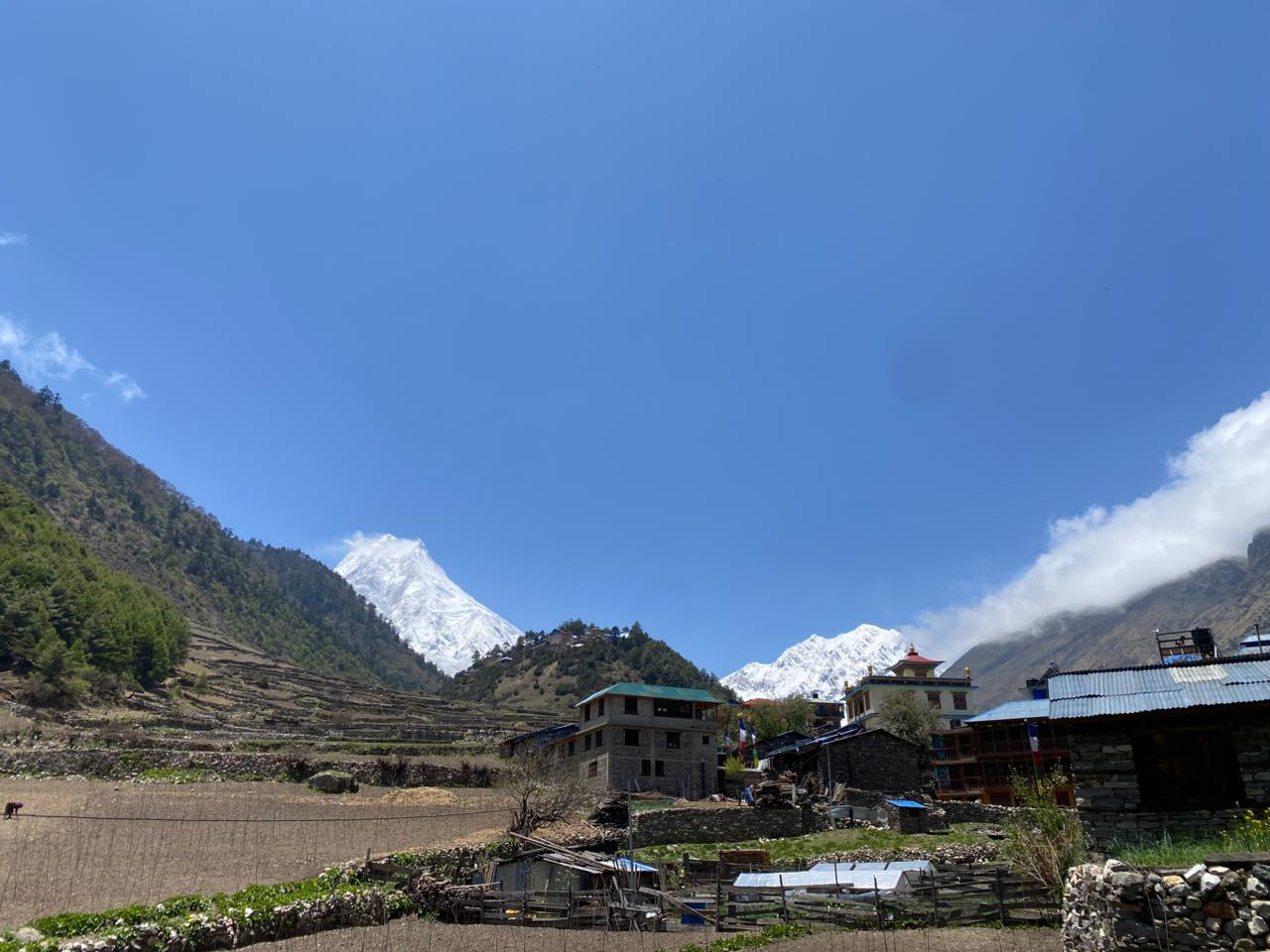
One of the major attractions of the trek is the opportunity to stay in local homestays, particularly around villages such as Briddim, where visitors can experience traditional Tamang hospitality and learn more about local customs and daily life. The journey also passes through stone-built settlements, Buddhist monasteries, prayer walls, forests, terraced farmland, and mountain viewpoints.
The trail's cultural highlights are complemented by natural attractions. Tatopani, whose name means "hot water," is associated with natural hot springs, while Nagthali provides one of the most impressive viewpoints along the route. From different sections of the trail, trekkers can see portions of the Langtang and Ganesh Himal ranges, together with green hills, valleys, and traditional mountain settlements.
The Tamang Heritage Trek generally takes around 6–10 days, depending on the itinerary and whether it is combined with the Langtang Valley Trek. A typical route begins with a drive from Kathmandu to Syabrubesi, followed by trekking through Gatlang, Tatopani, Nagthali, Thuman, and Briddim before returning toward Syabrubesi. The route can also be extended into the Langtang Valley for travelers who want a longer Himalayan experience.
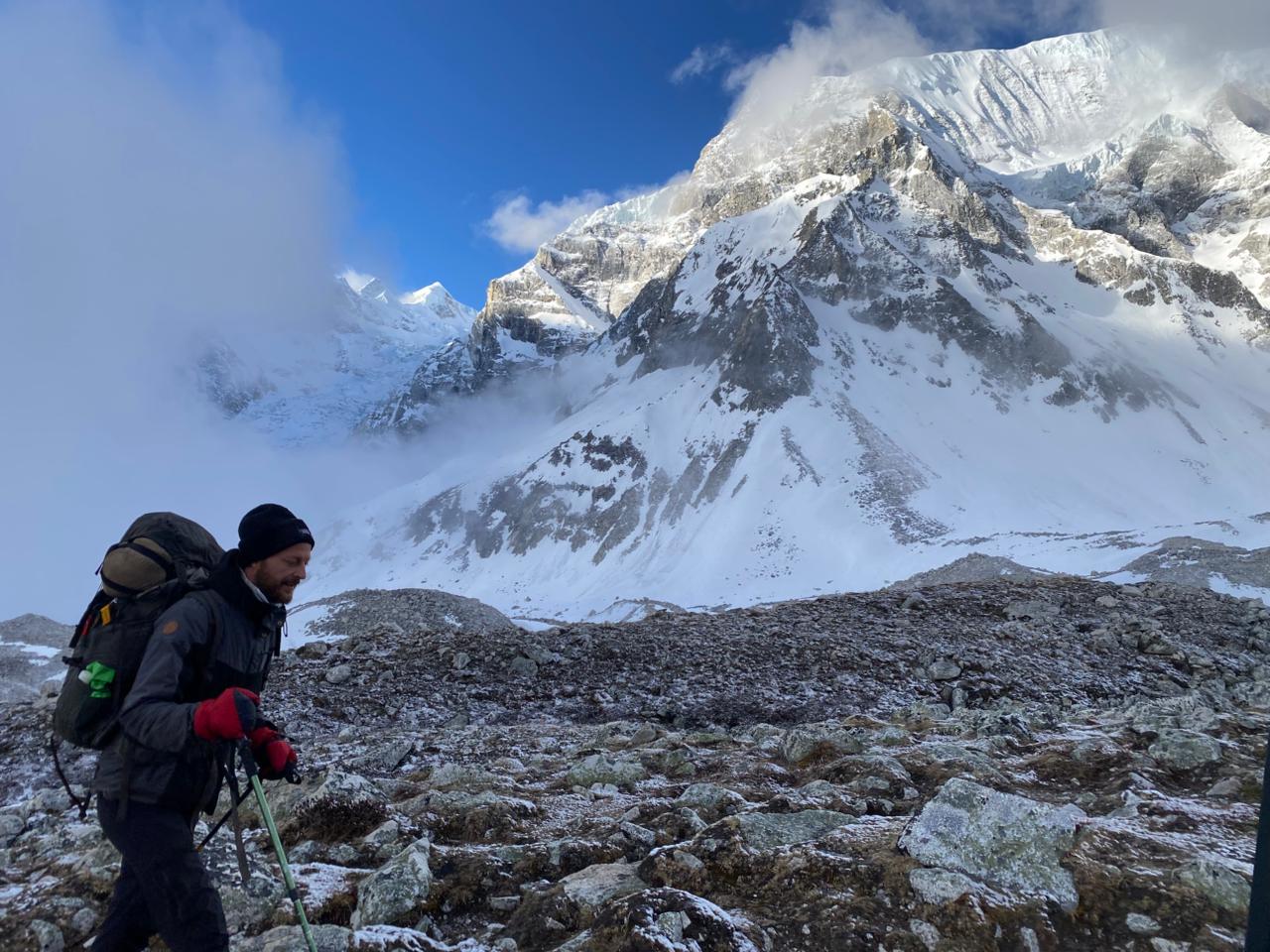
The trek is particularly suitable for travelers looking for a less crowded cultural trekking experience near Kathmandu, with relatively moderate elevations and opportunities to interact with local communities. Its combination of Tamang culture, mountain scenery, village homestays, monasteries, forests, and Himalayan viewpoints makes it one of the distinctive cultural trekking experiences in Nepal.
Tap a day to expand the details.
Upon your arrival at Tribhuwan International Airport (TIA) in Kathmandu, you will be greeted by a representative from Himalayan Glacier who will transfer you to your hotel. After checking in, you can take some rest or visit the Himalayan Glacier office for a brief trip orientation. In the evening, you will enjoy a welcome dinner featuring authentic Nepalese cuisine, which will introduce you to Nepalese food and culture. Overnight at Hotel Moonlight or similar.
Today, after breakfast, we explore the cultural and historical attractions of Kathmandu Valley. You will visit some of the important heritage sites and experience the unique culture and traditions of Kathmandu. The remaining time will be used for trek preparation, checking your equipment and meeting your trekking guide and team. You can spend the evening relaxing or exploring the vibrant streets of Kathmandu. Overnight at Hotel Moonlight or similar.
An early departure from Kathmandu for the drive north towards the Tibetan border. The road climbs out of the valley at Kakani, with views of Ganesh Himal and Langtang on a clear morning, then follows the Trishuli River through Trishuli Bazaar and Betrawati before beginning the long, winding ascent through Dhunche. The last stretch is rough and dusty, cut into steep hillsides above the river, and the scenery grows wilder as you approach Rasuwa. Syabrubesi is a riverside town at the confluence of the Bhote Koshi and Langtang Khola, and the trailhead for both the Tamang Heritage Trail and the Langtang valley.
After breakfast, we begin our trek through beautiful forests and traditional Tamang settlements. The trail gradually climbs through the hills, offering beautiful views of the surrounding landscapes and glimpses of local village life. We continue along the trail toward Gatlang, a picturesque traditional Tamang village known for its stone houses, rich culture and warm hospitality. After exploring the village, we enjoy the peaceful mountain surroundings. Overnight.
Today we continue our trek toward Tatopani. The trail passes through beautiful forests, terraced fields and traditional villages while providing magnificent views of the surrounding Himalayan landscape. Tatopani means “hot water” in Nepali and is famous for its natural hot springs. After reaching Tatopani, you can relax in the natural hot springs and enjoy the soothing experience after the day's walk. Overnight.
After breakfast, we continue our journey toward Thuman, passing through Brimdang and Nagthali. The trail climbs through beautiful forests and traditional Tamang settlements. Nagthali is one of the finest viewpoints along the Tamang Heritage Trail and offers spectacular views of the surrounding Himalayan mountains. After enjoying the mountain panorama, we descend toward Thuman, a traditional Tamang village famous for its culture, hospitality and beautiful mountain views. Overnight.
After breakfast, we leave Thuman and continue toward Briddim. The trail passes through beautiful forests, terraced farmland and traditional settlements. Briddim is a picturesque Tamang village with traditional houses built in a Tibetan style. The village is well known for its unique cultural traditions and homestay experience, providing an opportunity to experience the lifestyle, customs and warm hospitality of the local people. Overnight.
Leaving the Tamang villages behind, today’s trail joins the main Langtang route. The path descends from Briddim through terraced fields and oak forest to the Langtang Khola, crosses the river and turns east into the gorge. The valley narrows quickly, with bamboo thickets, waterfalls and dense forest on both sides, and the trail climbs steadily beside the water. Red pandas live in this forest, though they are rarely seen, while langurs and Himalayan birds are common. Lama Hotel is a small staging post of lodges tucked among the trees.
After breakfast, we continue our trek deeper into the Langtang Valley. The trail follows the Langtang Khola through dense forests of rhododendron, oak, maple and pine. As we gain altitude, the vegetation becomes more alpine and the mountain scenery becomes increasingly impressive. We pass through small settlements and continue toward Langtang Village, a beautiful mountain settlement surrounded by spectacular Himalayan peaks. Overnight.
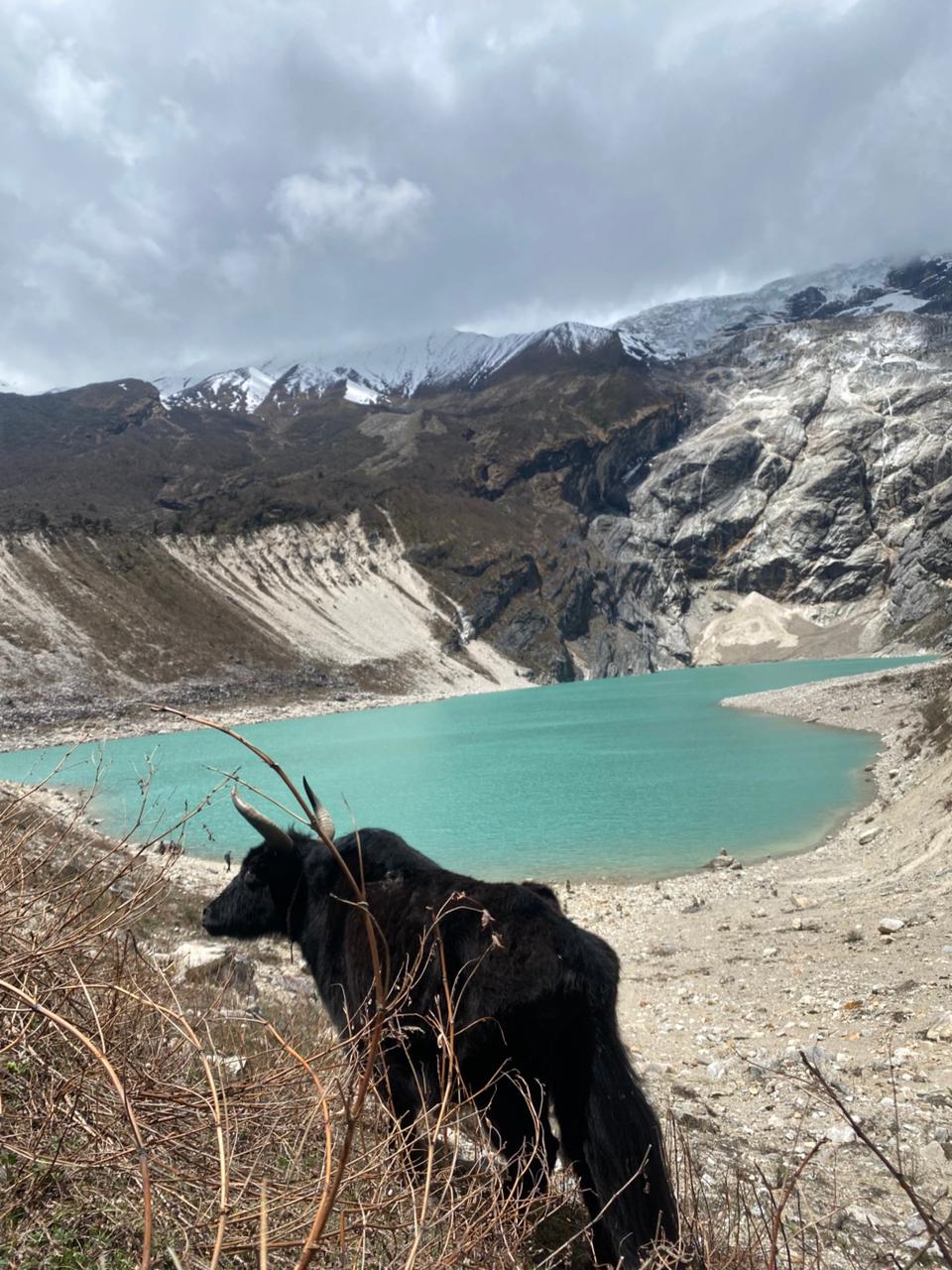
Today we make our way toward Kyanjin Gompa, the highest point of our trek. The trail gradually climbs through alpine landscapes with spectacular views of Langtang Lirung and other snow-capped Himalayan peaks. Along the way, we pass through small settlements and yak pastures before reaching Kyanjin Gompa. After checking into our lodge, there will be time to explore the surrounding area and visit the historic monastery. The impressive mountain scenery makes this one of the highlights of the trek. Overnight.
The long descent back down the valley begins today, retracing the trail through Langtang village and the rebuilt settlements below it. Losing more than 1,400 metres over the day makes for fast walking, though the steep sections through the landslide zone and the forest below Ghoda Tabela need care. The landscape reverses in order: yak pastures and mani walls give way to juniper, then pine, then the thick rhododendron and bamboo forest of the lower gorge, with langur monkeys often visible in the trees. Lama Hotel is a small cluster of lodges beside the river.
The last walking day follows the Langtang Khola downstream through dense forest, crossing side streams and dropping steadily to the valley floor. The trail passes Bamboo and Pairo, where the 2015 landslides are still visible on the slopes above, then joins the wider river trail to Syabrubesi. As the valley opens out you pass through terraced fields and the first villages, and the air turns warm again. Syabrubesi marks the end of the trek, with hot showers, a proper meal and a last evening with your guide and porters.
After breakfast, we take a scenic drive back to Kathmandu. The road passes through beautiful hills, traditional villages, terraced farmland and rivers before reaching the Kathmandu Valley. Upon arrival in Kathmandu, you will be transferred to your hotel. You can spend the remaining time relaxing, shopping for souvenirs or exploring the vibrant streets of Kathmandu. Overnight at Hotel Moonlight or similar.
No reviews of this trek yet — if you have trekked it, yours would be the first.
Log in to share your experience of this trek.