3 Groups Available
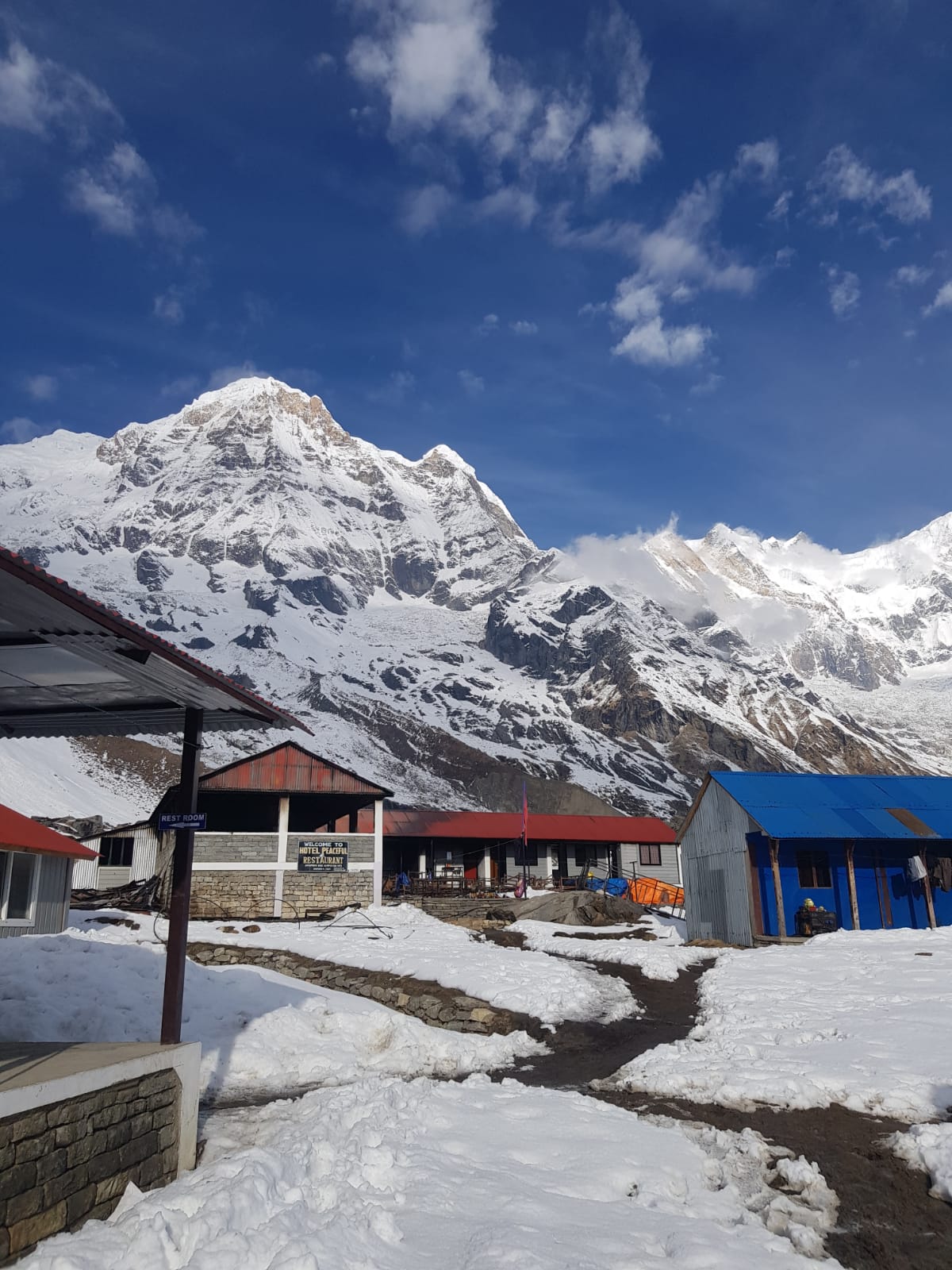
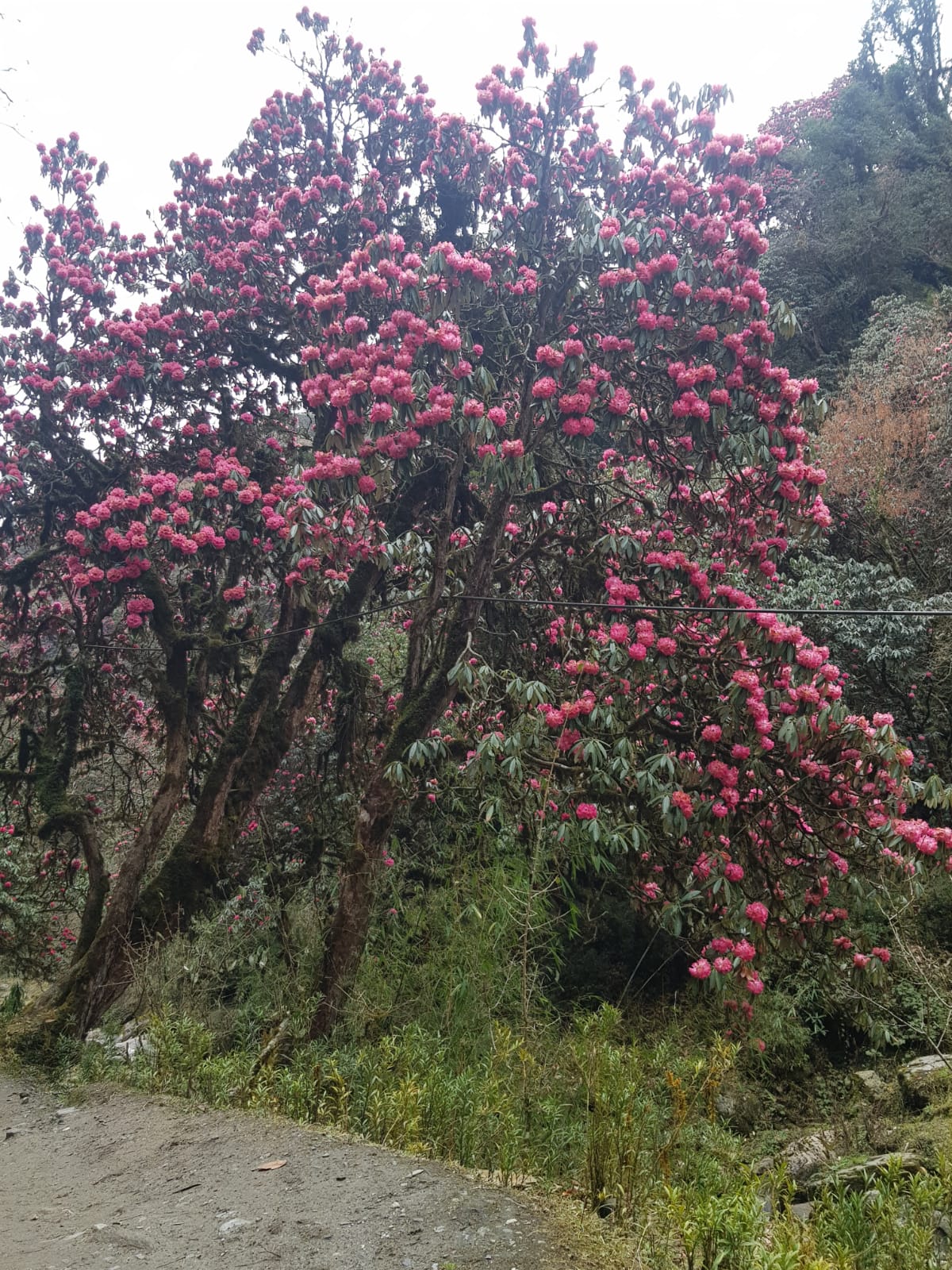
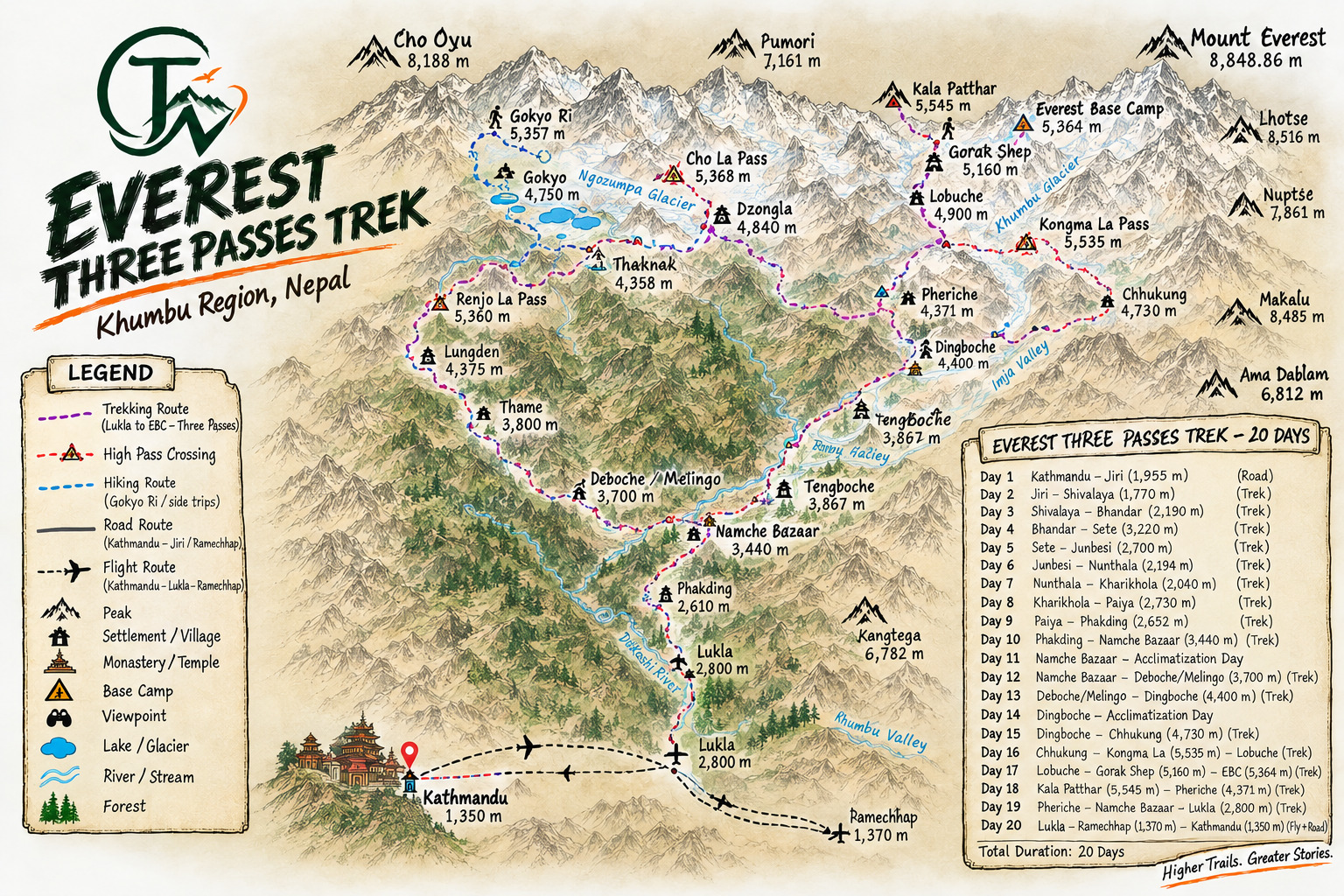
The Everest Three Pass Trek is a remarkable journey through the spectacular landscapes of the Khumbu region, where towering Himalayan peaks, pristine glaciers, turquoise lakes, deep valleys, and rugged mountain passes create unforgettable scenery. The trail crosses the legendary Kongma La, Cho La, and Renjo La passes, offering both adventure and breathtaking panoramas of Everest, Lhotse, Makalu, Ama Dablam, and many other majestic mountains. Along the way, trekkers experience the rich Sherpa culture, ancient monasteries, colourful prayer flags, mani walls, and sacred Buddhist traditions that reflect the region's deep historical and religious heritage. The harmony between local communities, nature, and spirituality is evident throughout the journey. Vibrant rhododendron forests, alpine meadows, and unique Himalayan vegetation enhance the natural beauty, while the peaceful mountain environment provides a sense of healing, inspiration, and connection with nature. More than a trek, it is a life-changing experience that combines adventure, culture, and the restorative power of the Himalayas.
Tap a day to expand the details.
We begin the day very early with a drive from Kathmandu to Ramechhap Airport, which takes approximately 4 to 4.5 hours depending on road and traffic conditions. Due to ongoing upgrades at Kathmandu Airport, Lukla flights may operate from Ramechhap instead of Kathmandu.
After reaching Ramechhap, we take a short scenic flight of approximately 15 minutes to Lukla. Upon arrival at Tenzing-Hillary Airport in Lukla, we meet our guide and porter team and prepare for the first day of trekking.
The trail begins with a relatively easy walk through Chaurikharka village before descending gradually toward the Dudh Koshi River. We continue along the riverbank through small Sherpa settlements and beautiful mountain scenery until reaching Phakding at approximately 2,652m. Phakding is a popular overnight stop on the Everest trekking route and provides an ideal place to begin adjusting to the increasing altitude. We have time to explore the village and relax beside the Dudh Koshi River. Overnight at Phakding.
After breakfast, we begin our trek toward Namche Bazaar, the main trading and cultural center of the Khumbu region. The trail follows the Dudh Koshi River and crosses several suspension bridges surrounded by pine forests and traditional mountain villages.
We continue toward Monjo, where we enter Sagarmatha National Park and complete the necessary permit checks. From here, the trail descends toward Jorsale, the last major settlement before Namche Bazaar. After lunch, we continue along the riverbank, crossing several suspension bridges, including the famous Hillary Suspension Bridge.
Beyond the bridge, the trail begins a sustained uphill climb toward Namche. The ascent can be demanding, but the beautiful forest and mountain scenery provide plenty of motivation. With clear weather, we may get our first glimpse of Mount Everest as we approach Namche Bazaar. Upon arrival, we check into our teahouse and enjoy a well-earned rest. Overnight at Namche Bazaar.
Today is an important acclimatization day. We spend the night at the same altitude while taking a short hike to a higher elevation to help our bodies adapt to the thin mountain air.
After breakfast, we can take an optional hike toward the Everest View Hotel at approximately 3,880m. The uphill walk offers magnificent panoramic views of Mount Everest, Lhotse, Nuptse, Ama Dablam, Thamserku and other Himalayan peaks.
After enjoying the mountain views, we return to Namche Bazaar. The rest of the day can be spent exploring the colorful streets and local shops, visiting the Sherpa Museum, or simply relaxing at a café. If the visit coincides with Saturday, the traditional Hatt Bazaar offers an interesting opportunity to observe local trading activities. Overnight at Namche Bazaar.
After breakfast, we leave Namche Bazaar and follow the scenic trail through the upper Khumbu region. The route provides spectacular views of Everest, Nuptse, Lhotse, Ama Dablam, Thamserku and Kwangde.
The trail initially follows a relatively comfortable path above the Dudh Koshi Valley before gradually descending through beautiful forests. We pass traditional Sherpa settlements and continue toward the Deboche area.
Depending on trail conditions and teahouse availability, the route may follow the alternative trail through Phortse. This route travels on the opposite side of the river and offers a quieter experience with spectacular views of Ama Dablam and the surrounding mountains. Both routes eventually join again around Pangboche.
We continue toward our overnight destination at Deboche/Melingo, surrounded by beautiful forests and dramatic Himalayan scenery. Overnight at the teahouse.
After breakfast, we continue along the Imja Khola Valley. The trail follows the glacial river and passes through beautiful alpine scenery toward Pangboche, one of the largest and oldest Sherpa settlements in the region.
Pangboche provides an excellent opportunity to observe traditional Sherpa architecture and local mountain life. If time and energy permit, we can visit the historic Pangboche Monastery, one of the oldest monasteries in the Khumbu.
After lunch, we continue toward Dingboche. As we gain altitude, the landscape becomes drier and more barren, with fewer trees and increasingly dramatic mountain views. The trail gradually climbs through the Imja Valley toward Dingboche, where stone walls protect the fields from the strong mountain winds.
Dingboche is an important acclimatization stop before entering the higher elevations of the Everest region. Overnight at Dingboche.
Today we take another important acclimatization break before heading toward the high passes. We spend the night at Dingboche while making an optional hike into the surrounding valleys.
The Chhukung and Imja valleys offer spectacular views of Island Peak, Ama Dablam, Lhotse and other Himalayan peaks. Those who feel comfortable can take a gradual hike to a higher elevation before returning to Dingboche.
This active acclimatization day helps prepare our bodies for the significant altitude gains ahead. Alternatively, you can spend the day resting, hydrating and enjoying the peaceful surroundings of Dingboche. We have an early night in preparation for the next stage of the trek. Overnight at Dingboche.
Today is a shorter trekking day as we head deeper into the Imja Valley toward Chhukung. The trail gradually climbs through an open alpine landscape with spectacular views of Island Peak, Ama Dablam, Lhotse and surrounding peaks.
Chhukung is a small mountain settlement located near the base of Island Peak and is popular among trekkers and climbers preparing for Island Peak expeditions. After reaching the village, we check into our teahouse and have lunch.
In the afternoon, if conditions and energy levels permit, we can take a short walk farther up the valley to enjoy the magnificent scenery. The relatively short day allows us to rest and prepare for the challenging crossing of Kongma La Pass. Overnight at Chhukung.
Today is the first and one of the most challenging high-pass days of the trek. We leave Chhukung early in the morning and begin the steep ascent toward Kongma La, the highest of the three major passes on this route.
The trail climbs through rugged and remote mountain terrain. Depending on the route and conditions, the ascent may involve rocky slopes, snow and glacial terrain. The high altitude makes the climb physically demanding, so we maintain a slow and steady pace.
Upon reaching Kongma La at approximately 5,535m, we are rewarded with extraordinary views of Cholatse, Pokalde, Nuptse, Lhotse, Makalu and Ama Dablam. After spending some time at the pass, we begin the long descent toward the Khumbu Glacier.
The trail crosses challenging moraine terrain before eventually joining the route toward Lobuche. After reaching Lobuche, we check into our teahouse and rest after a demanding day at high altitude. Overnight at Lobuche.
Today is one of the major highlights of the trek as we make our way toward Everest Base Camp. After breakfast, we leave Lobuche and follow the rugged trail toward Gorakshep.
The initial section is relatively gradual, but the terrain becomes increasingly rocky as we approach Gorakshep. After reaching Gorakshep, we check into our teahouse, have some refreshments and prepare for the hike to Everest Base Camp.
The trail to Base Camp crosses rocky moraine and glacial debris alongside the famous Khumbu Glacier. The route can be physically demanding because of the altitude and uneven terrain. Eventually, we reach Everest Base Camp at approximately 5,364m.
During the spring expedition season, climbers and expedition teams may be preparing for their Everest summit attempts, creating a fascinating atmosphere at Base Camp. We spend time enjoying the surrounding glaciers and spectacular mountain scenery before retracing our route back to Gorakshep. Overnight at Gorakshep.
We wake before dawn for one of the most spectacular viewpoints in the Everest region. Our early morning hike takes us toward Kala Patthar, which rises to approximately 5,545m.
The climb is demanding because of the high altitude, but reaching the viewpoint around sunrise provides an unforgettable experience. As the first sunlight illuminates the mountains, Mount Everest, Nuptse, Changtse, Lhotse, Pumori and other surrounding peaks appear in spectacular detail.
After spending time at Kala Patthar and taking photographs, we descend back to Gorakshep for breakfast. We then continue toward Dzongla, leaving the main Everest Base Camp trail and entering a quieter section of the Khumbu region.
The trail crosses rugged terrain with spectacular views of Cholatse and surrounding peaks before reaching Dzongla. Overnight at Dzongla.
Today we cross the second major pass of our journey, the famous Cho La. We start early because weather conditions can change rapidly at high altitude.
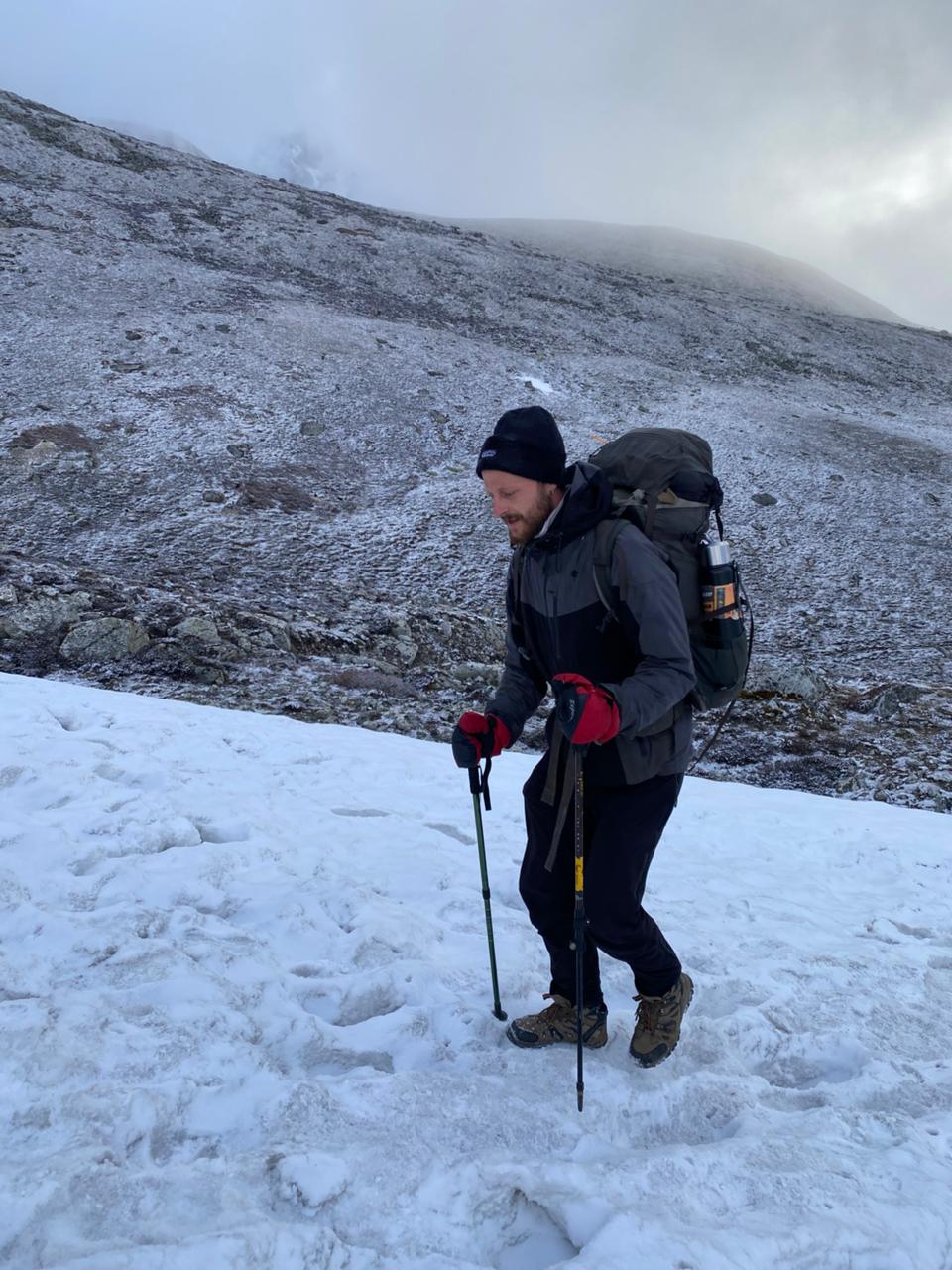
The trail gradually climbs from Dzongla toward the pass through increasingly rugged terrain. The final ascent can be steep and physically demanding. Depending on the season and weather, there may be snow or icy sections, so appropriate footwear and traction equipment may be useful.
After reaching Cho La, we are rewarded with spectacular views of Cholatse, Ama Dablam, Baruntse and other Himalayan peaks. We spend some time at the pass before beginning the careful descent toward the other side.
The descent eventually leads toward Thaknak, also known as Dragnag, a small settlement near the Ngozumpa Glacier. After this long and demanding day, we enjoy a well-earned rest at the teahouse. Overnight at Thaknak.
After breakfast, we begin a shorter trekking day toward the beautiful Gokyo Valley. The trail crosses and follows the impressive Ngozumpa Glacier, one of the largest glaciers in the Himalayas.
The terrain is rocky and glacial, but the surrounding scenery is spectacular. As we approach Gokyo, the turquoise waters of the Gokyo Lakes begin to appear among the mountains.
We reach Gokyo around lunchtime and check into our teahouse. After lunch, there is time to relax or take a short walk around the lakeshore. The village sits beside Dudh Pokhari, one of the famous Gokyo Lakes, with spectacular mountain scenery surrounding it. Overnight at Gokyo.
Today is an acclimatization and exploration day in the beautiful Gokyo Valley. An optional early morning hike takes us toward Gokyo Ri, one of the finest viewpoints in the Everest region.
The ascent is steep and challenging, but reaching the summit provides an extraordinary panorama of Everest, Lhotse, Makalu, Cho Oyu and numerous other Himalayan peaks. The views of the turquoise Gokyo Lakes and surrounding glaciers from the viewpoint are particularly impressive.
After enjoying the panorama, we descend back to Gokyo for lunch and relaxation. In the afternoon, we can explore the lakes around the village or simply rest and prepare for the final high-pass crossing over Renjo La. Overnight at Gokyo.
Today is the final major high-pass crossing of the trek. We leave Gokyo early and begin climbing toward Renjo La, the pass connecting the Gokyo Valley with the Thame Valley.
The trail gradually becomes steeper as we approach the pass. The high altitude makes the climb challenging, but our previous acclimatization and experience crossing Kongma La and Cho La will help us maintain a steady pace.
From the top of Renjo La at approximately 5,360m, we enjoy spectacular panoramic views of Everest, Lhotse, Makalu, Cho Oyu and other Himalayan giants. After celebrating the successful crossing of the third pass, we begin our descent toward Lungden.
The descent is long but rewarding as we enter the quieter Thame Valley. We eventually reach Lungden, where we rest at the teahouse after completing the final major high pass of the journey. Overnight at Lungden.
After breakfast, we continue our descent through the beautiful Thame Valley. This part of the Khumbu sees fewer trekkers than the main Everest Base Camp route, providing a peaceful and more traditional Himalayan experience.
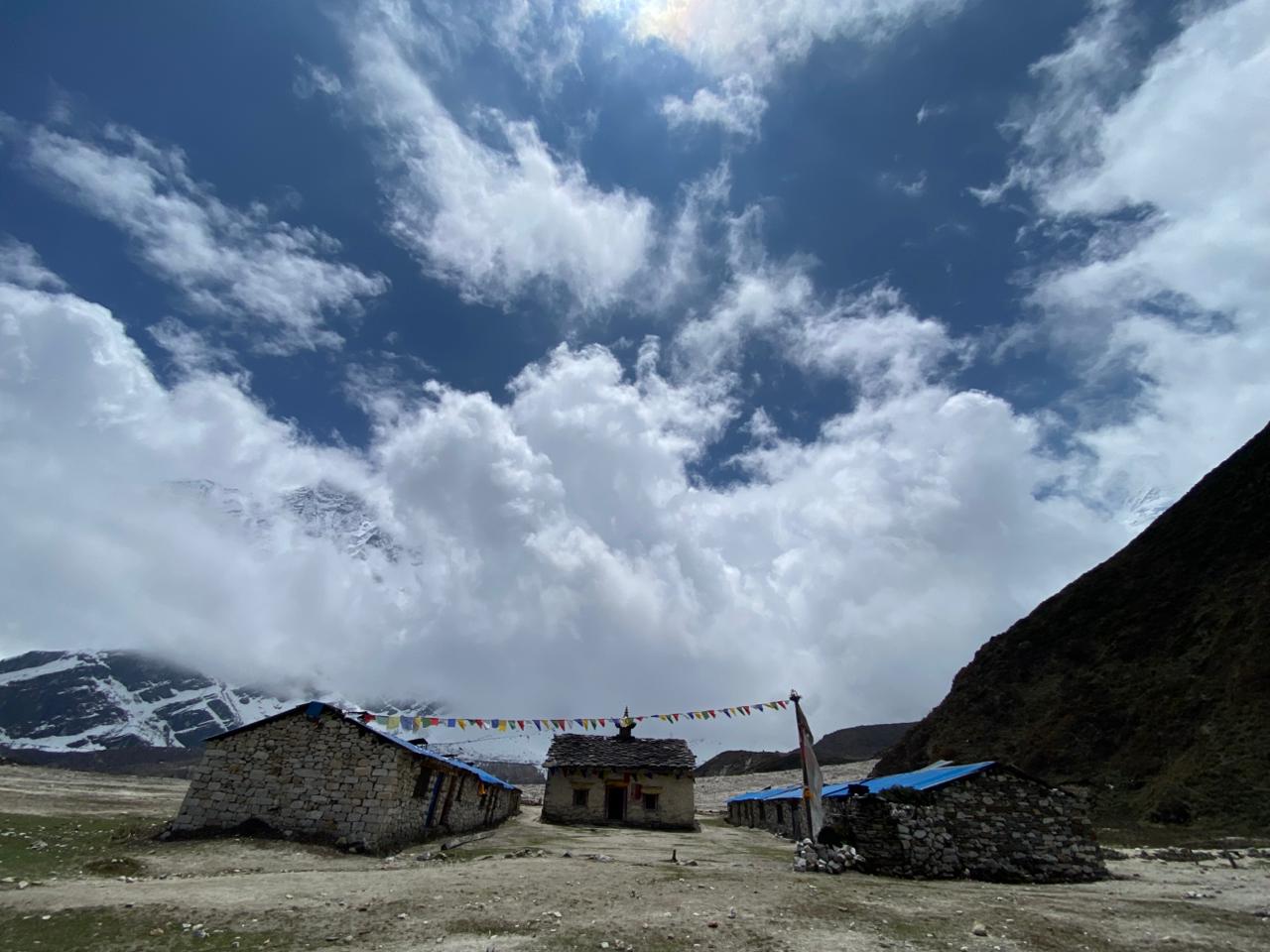
The trail passes through small Sherpa villages, stone houses, prayer flags and traditional farmland. The route is mostly downhill and relatively easy compared with the high passes we have already crossed.
Thame is a historically important Sherpa village and has been home to many famous climbing Sherpas and mountaineers. We have time to explore the village and, if conditions permit, visit the historic Thame Monastery. Overnight at Thame.
Today we continue along the Thame Valley toward Namche Bazaar. The trail gradually descends through traditional Sherpa settlements and beautiful mountain scenery.
Along the way, we pass prayer flags, Mani walls, chortens and Buddhist monasteries that reflect the deep Sherpa Buddhist culture of the region. We also pass through a local check post and continue toward the lower Khumbu.
As we approach Namche, the trail becomes more familiar and busier. We eventually arrive back in Namche Bazaar, where we check into our teahouse and enjoy the comforts of this lively mountain town. After completing all three high passes, this is a perfect opportunity to relax and celebrate our achievement. Overnight at Namche Bazaar.
After breakfast, we begin our final full day of trekking. We descend from Namche along the familiar trail toward the Dudh Koshi Valley.
The route passes through beautiful forests and traditional villages before reaching the Hillary Suspension Bridge. We continue through Jorsale and Monjo, where we exit Sagarmatha National Park, and then follow the river toward Phakding.
After a short break or lunch, we continue through the surrounding villages and gradually make our way toward Lukla. Upon reaching Lukla, we check into our teahouse and have time to relax after completing the demanding Three High Passes adventure.
In the evening, we traditionally celebrate the successful completion of the trek with our guide, porters and trekking crew. It is our final night in the mountains, making it a special opportunity to share stories and memories from the journey. Overnight at Lukla.
After breakfast, we prepare for our flight from Lukla to Ramechhap. The flight is subject to weather and airport operating conditions.
Upon landing at Ramechhap, we meet our vehicle and begin the drive back to Kathmandu. The journey generally takes around 4–6 hours depending on traffic and road conditions.
After arriving in Kathmandu, we transfer to our hotel where you can enjoy a well-deserved shower, comfortable bed and relaxing afternoon. In the evening, we gather for a farewell dinner at a local Nepalese restaurant and celebrate the successful completion of the Everest Three High Passes Trek. Overnight at hotel in Kathmandu.
Altitude sickness can occur when your body struggles to adjust to high elevations and lower oxygen levels. During the Annapurna Base Camp Trek, you may experience symptoms such as headache, dizziness, nausea, tiredness, or difficulty sleeping. Stay hydrated, ascend gradually, and inform your guide immediately if you feel unwell. Planning your Annapurna Base Camp adventure with an experienced local trekking company can make your journey more organized and enjoyable. If you are looking for a trusted trekking company in Nepal, our team at Mountain Mate Trek is available to help you plan and experience your Himalayan adventure at www.mountainmatetrek.com
No reviews of this trek yet — if you have trekked it, yours would be the first.
Log in to share your experience of this trek.