2 Groups Available
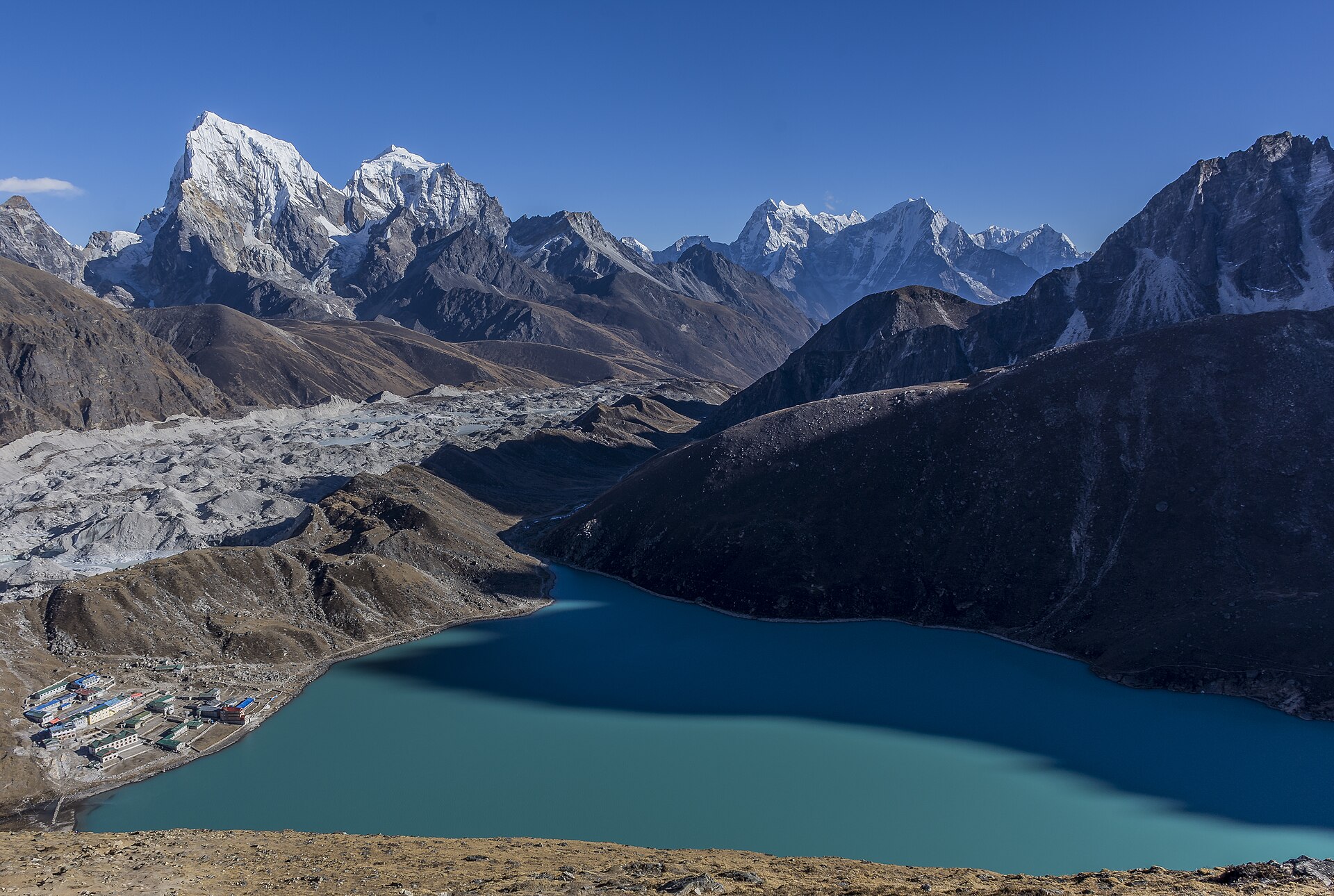
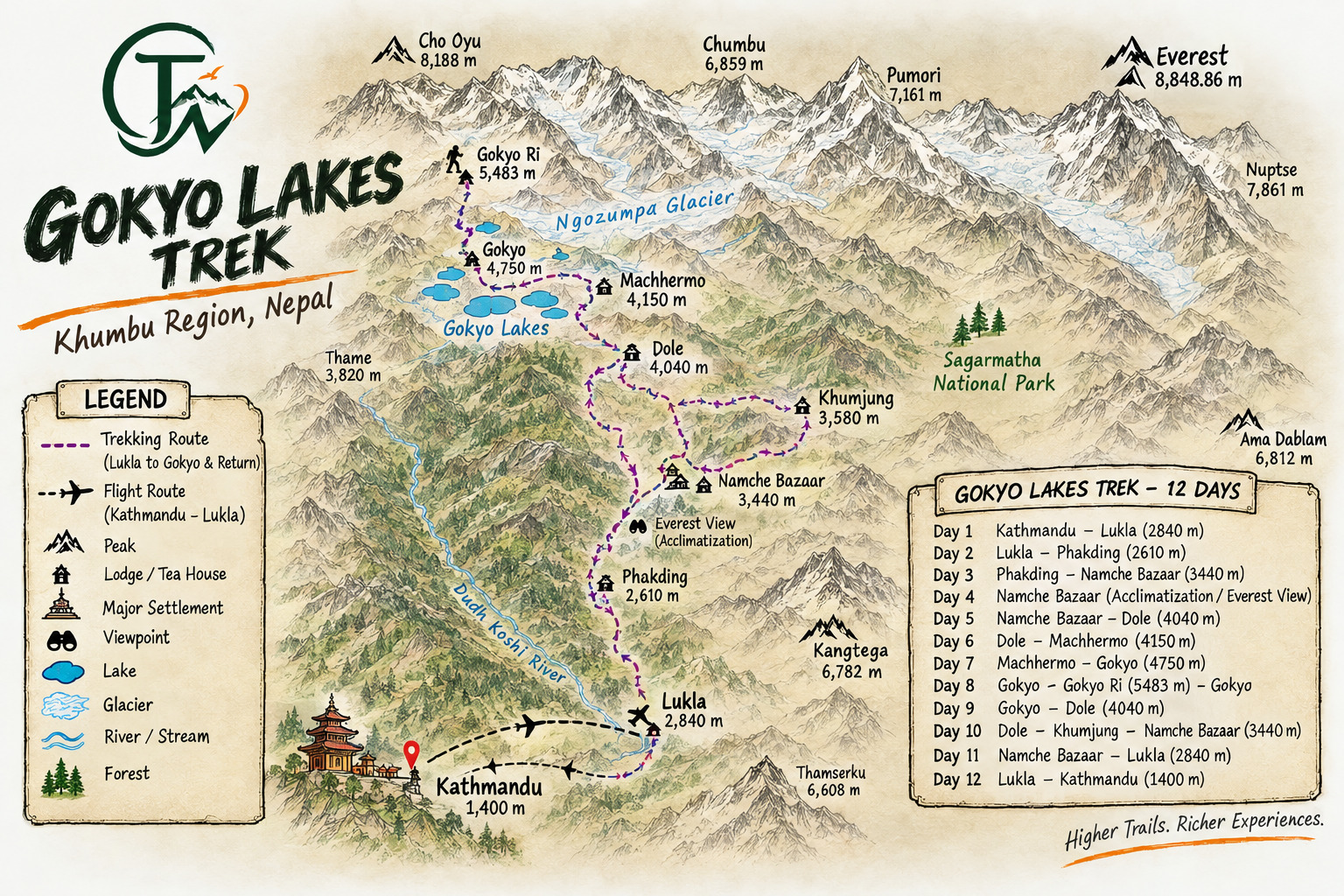
The Gokyo Lakes Trek is a spectacular high-altitude trekking adventure in the Everest region of Nepal, renowned for its turquoise glacial lakes, dramatic Himalayan scenery, Sherpa culture, and panoramic mountain views. The trek takes travelers into the beautiful Gokyo Valley, where a series of sacred and naturally formed alpine lakes lie beneath some of the world's highest mountains.
The journey typically begins with a scenic flight from Kathmandu to Lukla, followed by trekking through traditional Sherpa settlements and mountain forests toward Namche Bazaar. Namche is an important trading and acclimatization center in the Khumbu region and provides an opportunity to experience the unique culture and lifestyle of the Sherpa people.
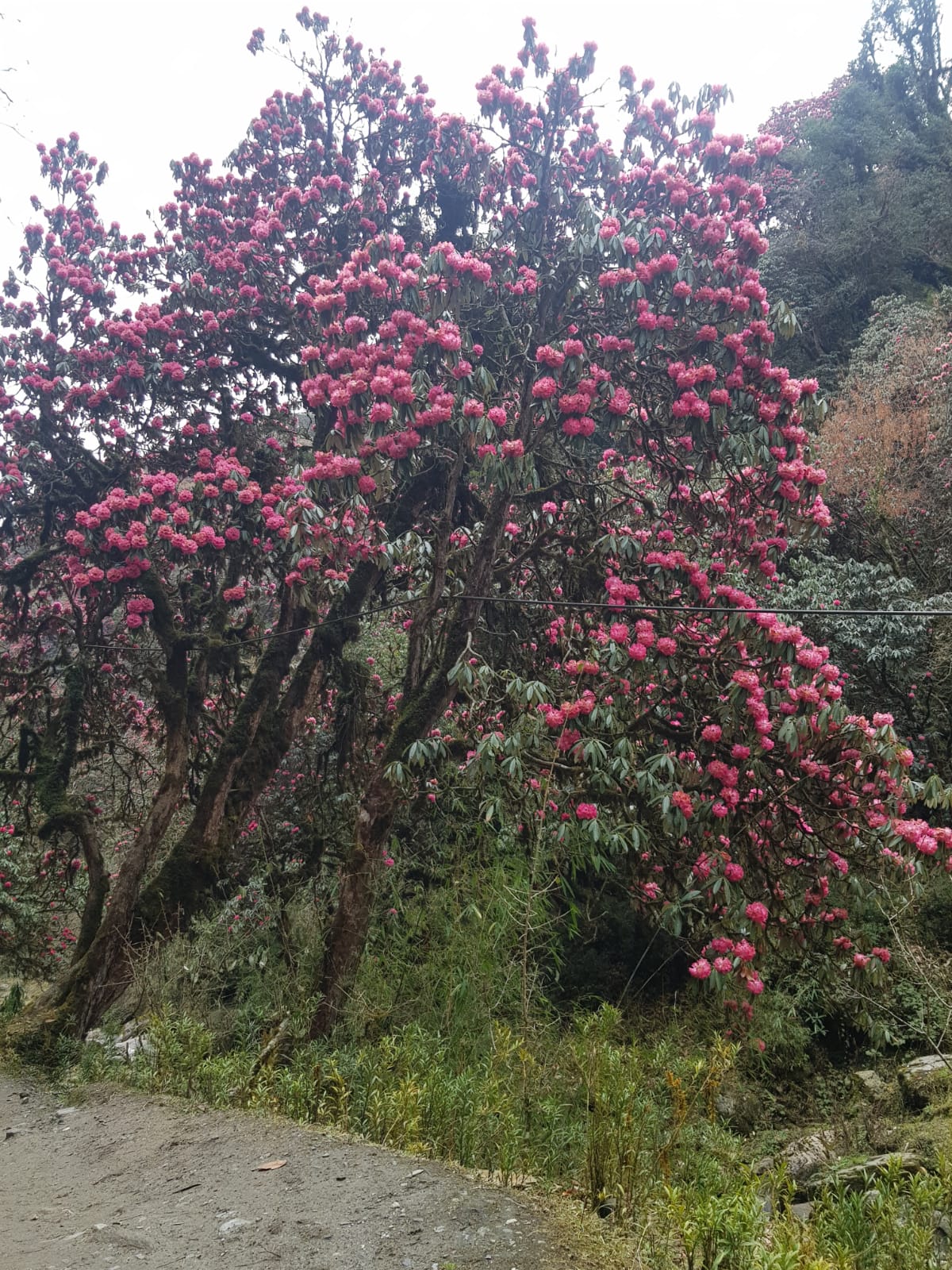
From Namche, the trail gradually moves away from the main Everest Base Camp route and enters the peaceful Gokyo Valley. Trekkers pass through mountain villages such as Dole and Machhermo before reaching Gokyo, a small settlement beside the beautiful Gokyo Lakes. The changing landscapes along the route include rhododendron and pine forests, alpine meadows, rocky terrain, glaciers, and snow-covered Himalayan peaks.
The main attraction of the trek is the Gokyo Lakes, a chain of high-altitude freshwater lakes fed by glacial sources. The lakes are considered sacred by both Hindus and Buddhists, adding an important spiritual dimension to the natural beauty of the region. The surrounding landscape provides breathtaking views of mountains including Mount Everest, Cho Oyu, Lhotse, and Makalu.
A major highlight is the ascent of Gokyo Ri, a popular Himalayan viewpoint situated above the Gokyo Valley. From the summit, trekkers can enjoy panoramic views of Mount Everest and several other major Himalayan peaks, as well as the surrounding glaciers, valleys, and turquoise lakes.
The trek also offers opportunities to explore the impressive Ngozumpa Glacier, one of the largest glaciers in the Himalayas. Depending on the itinerary, the Gokyo Lakes Trek can be extended across Cho La, connecting the Gokyo Valley with the Everest Base Camp route and creating a longer high-altitude adventure.
Much of the trek takes place within Sagarmatha National Park, a protected Himalayan area and UNESCO World Heritage Site. The region is known for its dramatic landscapes, mountain biodiversity, Buddhist heritage, and traditional Sherpa communities.
The Gokyo Lakes Trek is an excellent choice for travelers seeking a quieter alternative to the classic Everest Base Camp route. With its combination of turquoise alpine lakes, Himalayan glaciers, spectacular mountain viewpoints, Sherpa culture, Buddhist heritage, and peaceful mountain landscapes, the trek provides one of the most scenic experiences in the Everest region.
Tap a day to expand the details.
Early morning we fly from Kathmandu to the tiny airstrip at Lukla for about 40 minutes scenic flight; you will have time to stroll around, while the guide sort and divide the load baggage to be carried by porters. Guide will manage the lunch place depending upon the time of arrival at Lukla. We then take an easy walk to Phakding village for the overnight stop and rest of the time stroll around the village for local knowledge.
After breakfast we will continue up the banks of the Dudh Kosi, crossing it twice by small suspension bridges before reaching the village of Monjo the entrance gate of the Sagarmatha National Park. When enter the National park boundary we descend and a gradual walk brings us to the suspension bridge over the Bhote-Koshi river to Jorsalle village, the last village till Namche Bazaar. Namche is a prosperous trading town and the capital of the Khumbu Region.
We will spend a day in Namche Bazaar resting and allowing our bodies to become acclimatized to the altitude of (3,440m/11,283ft). You have full day leisure or visit Everest View Point hotel for wonderful panoramic view or stroll around the market, if Saturday can be seen many people in Saturday market for shopping to fulfill their daily needs and only one shopping market in the surrounding areas. Also you can visit Sherpa Museum as well a great place to learn Sherpa culture and history of mountaineering and stroll back to hotel for overnight.
Leaving the main Everest Base Camp trail behind at Sanasa, the route turns north into the quieter Gokyo valley. The path contours the hillside with wide views of Ama Dablam, Thamserku and Kangtega, then climbs to the chortens and prayer flags of Mong La, a small ridge settlement perched above the confluence of two valleys. From there it drops steeply through rhododendron and birch forest to the river at Phortse Thanga before climbing again through juniper and scrub to Dole. The lodges here are few and simple, and the valley already feels far from the crowds.
The trail climbs from Dole onto a scenic ridge and then works its way north along the side of the valley, high above the Dudh Koshi, crossing sandy spurs and open grazing slopes where herders bring yaks up in summer. Cho Oyu begins to dominate the head of the valley, with Kangtega and Thamserku behind you. The day is short by design, gaining around 400 metres to help acclimatisation. At Machhermo it is worth attending the afternoon altitude talk given by the Himalayan Rescue Association post, which is free and genuinely useful.
Today, we climb up to the ridge and can be seen excellent view both down the valley to Khangtega and northern part to the Cho-Oyu (8153m/26741ft). Our route descends to the river bank before beginning the climb up to the terminal moraine of the Ngazumpa glacier. Afterwards the trail levels out as it follows the valley past a second lake, known as Longponga at 4690m/15383ft. Enjoy the lake view and after an hour walk will reaches at Gokyo village on the edge of third lake.
A full day in Gokyo, and the reason many people rate this trek above the standard base camp route. The climb to Gokyo Ri is steep and unrelenting but takes only a few hours, and the summit gives one of the finest panoramas in Nepal: Everest, Lhotse, Makalu and Cho Oyu all above 8,000 metres, with the turquoise lakes and the grey sweep of the Ngozumpa glacier, the largest in the Himalaya, directly below. An alternative or addition is the walk north along the lakeshore to the fourth and fifth lakes, where the views of Cho Oyu’s north face are exceptional.
The return journey begins with an easy downhill walk, retracing the valley past the second and first lakes and crossing the terminal moraine of the Ngozumpa glacier. After Machhermo the trail descends steeply to the river before climbing back onto the ridge and contouring to Dole. Losing height quickly makes for comfortable walking and a welcome return of appetite, and the afternoon light on Cho Oyu behind you is often the best of the trip. Overnight in one of Dole’s small teahouses.
A varied day with both descent and a solid climb. The trail drops through rhododendron and birch forest to Phortse Thanga, then climbs steeply back up to Mong La on its ridge, a demanding forty-five minutes that most people remember. From there the route contours to Khumjung, the largest Sherpa village in the Khumbu, set in a broad green bowl beneath the sacred peak of Khumbila, with its monastery, school and green-roofed houses. A final descent brings you back into Namche Bazaar for a bakery coffee and a hot shower.
The last walking day retraces the first, dropping from Namche on the steep switchbacks to the Hillary suspension bridge and following the Dudh Koshi downstream through Jorsale, Monjo and Phakding. There are gentle climbs along the way despite the overall descent, and the forest, farmland and mani walls feel lush after the high valleys. Arriving in Lukla, you can celebrate with your crew over a proper meal while your guide reconfirms the morning flight, which leaves early to catch the calm air.
After an early morning flight to Kathmandu our guide transfer you to your hotel. You may have time to relax after long journey and take back your breath and rest at your hotel with ending your Himalayan trip with us. Evening, we meet again for listen your trip feedback and we will host your trek success celebration/ farewell dinner at one of the finest Nepalese restaurant at main down town Thamel. O/N at Kathmandu.
Altitude sickness can occur when your body struggles to adjust to high elevations and lower oxygen levels. During the Annapurna Base Camp Trek, you may experience symptoms such as headache, dizziness, nausea, tiredness, or difficulty sleeping. Stay hydrated, ascend gradually, and inform your guide immediately if you feel unwell. Planning your Annapurna Base Camp adventure with an experienced local trekking company can make your journey more organized and enjoyable. If you are looking for a trusted trekking company in Nepal, our team at Mountain Mate Trek is available to help you plan and experience your Himalayan adventure at www.mountainmatetrek.com
1 review
Log in to share your experience of this trek.
Peter Andersson
Gokyo Ri at dawn is the best viewpoint in the Khumbu, and we had it almost to ourselves.