No Groups Available
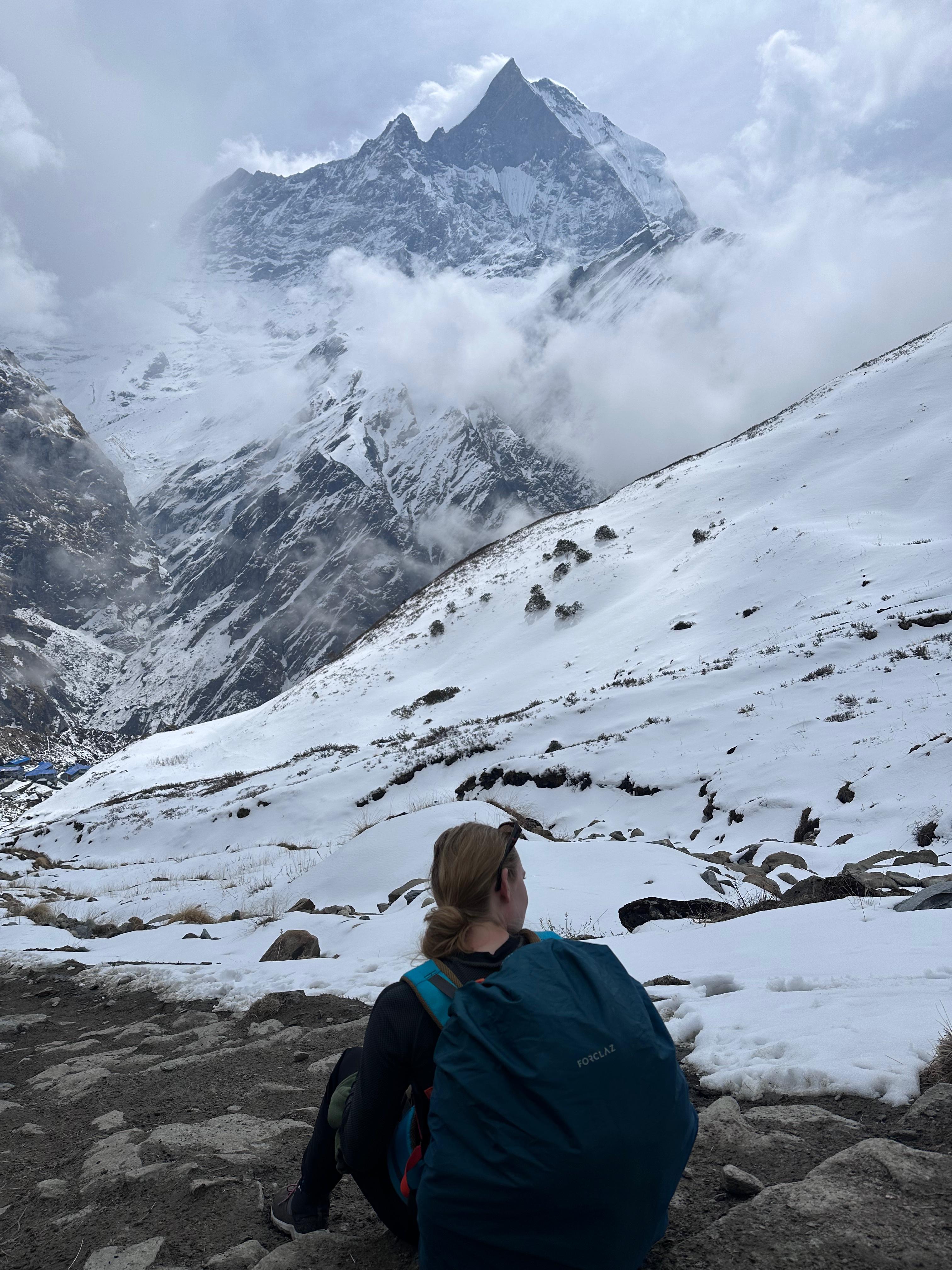
Mera Peak Climbing is one of the most rewarding Himalayan climbing adventures in Nepal, combining high-altitude trekking, mountaineering, and spectacular mountain scenery in the remote Everest region. Standing at 6,476 meters (21,246 feet), Mera Peak is one of Nepal’s highest trekking peaks and is a popular choice for climbers seeking their first Himalayan summit experience.
Located in the Mahalangur Himal of eastern Nepal, the Mera Peak route takes climbers through the beautiful Khumbu and Hinku Valley landscapes. The adventure begins with a scenic flight to Lukla, followed by a trek through traditional Sherpa settlements, dense rhododendron forests, alpine meadows, remote valleys, and high-altitude terrain. The gradual ascent provides valuable opportunities for acclimatization before reaching Mera Base Camp and High Camp.
One of the major highlights of Mera Peak Climbing is the panoramic Himalayan view from the summit. On a clear day, climbers can see some of the world's most iconic mountains, including Mount Everest, Lhotse, Makalu, Cho Oyu, and Kanchenjunga. The combination of towering peaks, glaciers, dramatic valleys, and remote Himalayan wilderness makes the expedition an unforgettable Nepal adventure.
Although Mera Peak is considered a relatively straightforward trekking peak from a technical mountaineering perspective, reaching the summit requires good physical fitness, proper acclimatization, suitable mountaineering equipment, and professional guidance. The summit route can involve snow, ice, glaciers, crampons, ropes, and an ice axe, particularly during the final ascent. The high altitude also makes preparation and altitude awareness essential.
The Mera Peak Climbing itinerary generally includes several acclimatization and trekking days, allowing climbers to gradually adapt to increasing elevation. Depending on the chosen route and itinerary, the journey may pass through destinations such as Lukla, Paiya, Panggom, Ningsow, Chhatra Khola, Kothe, Thangnak, Khare, Mera Base Camp, and Mera High Camp before the final summit attempt.
For adventure seekers looking for a combination of Nepal trekking, peak climbing, and authentic Himalayan culture, Mera Peak offers an excellent introduction to high-altitude mountaineering. Its spectacular summit views, remote trails, Sherpa communities, and challenging yet achievable ascent make Mera Peak Climbing a popular choice among trekkers and aspiring mountaineers visiting Nepal.
Tap a day to expand the details.
After an early breakfast, you will transfer to the domestic airport for a scenic mountain flight to Lukla. The short yet dramatic flight offers breathtaking views of the Himalayan range before landing at Tenzing-Hillary Airport. Upon arrival, you will meet your trekking crew and begin your journey with a gentle uphill walk toward Chutanga. The trail passes through dense pine and rhododendron forests, allowing your body to gradually adjust to the altitude. After a short and pleasant hike, you will reach Chutanga, where you will stay overnight at a local lodge.
Today’s trek is challenging yet rewarding as you cross the Zatrawala Pass. After breakfast, the trail ascends steadily above the tree line, offering expansive views of alpine landscapes. Reaching the pass, you will be rewarded with panoramic mountain scenery. After a brief rest, the trail descends toward Thuli Kharka through open terrain and yak pastures. Careful pacing is essential due to the altitude gain. Overnight at a lodge in Thuli Kharka.
After breakfast, the trail descends through forests of rhododendron, bamboo, and pine. You will cross several streams and follow the Hinku River as the landscape gradually becomes greener. The walk is pleasant and less demanding compared to previous days. By afternoon, you will arrive at Kote, a beautiful settlement in the Hinku Valley. Overnight at a local lodge.
Leaving Kote, the trail follows the Hinku River upstream through narrow valleys and open alpine terrain. As you gain altitude, the vegetation becomes sparse and the mountain views grow more dramatic. You may spot yaks grazing along the trail. After a gradual ascent, you will reach Thangnak, a seasonal settlement used by climbers. Overnight at a lodge in Thangnak.
After breakfast, you continue ascending along the moraine of the Dig Glacier. The trail offers impressive views of glaciers and surrounding peaks. The air becomes thinner as you approach Khare Camp, located at the base of Mera Peak. The afternoon is spent resting, hydrating, and preparing for the upcoming climb. Overnight at Khare Camp.
This day is dedicated to acclimatization and basic mountaineering training. Your climbing guide will provide instruction on the use of climbing equipment such as crampons, harnesses, ropes, and ice axes. Short practice sessions help build confidence and improve safety for summit day. The rest of the day is spent relaxing and adjusting to the altitude. Overnight at Khare Camp.
After breakfast, the trail climbs steeply over rocky terrain and snow-covered slopes. Fixed ropes may be used in steeper sections. The ascent is slow and steady due to the high altitude. Upon reaching High Camp, you will be rewarded with stunning views of Everest, Makalu, Lhotse, and Cho Oyu. After an early dinner, you rest and prepare for the summit attempt. Overnight at High Camp.
Summit day begins around midnight. Equipped with headlamps and climbing gear, you ascend gradually over snow and ice. The climb is physically demanding but technically straightforward. Reaching the summit of Mera Peak, you will witness one of the most spectacular panoramic views in the Himalayas. After spending some time at the summit, you carefully descend back to High Camp and continue down to Khare Camp. Overnight at Khare.
This day is reserved as a buffer in case of unfavorable weather or other unforeseen circumstances during the summit attempt. If unused, it can be utilized for rest or early descent. Overnight at Khare Camp.
After breakfast, you descend through familiar trails back toward Kote. The lower altitude brings warmer temperatures and more comfortable walking conditions. You will retrace your route through alpine terrain and river valleys. Overnight at a lodge in Kote.
The trail gradually ascends through forests and alpine landscapes as you head back toward Thuli Kharka. Though the climb is long, the trail is scenic and peaceful. Overnight at Thuli Kharka.
An early start is required to cross Zatrawala Pass once again. After reaching the pass, you descend steadily toward Lukla through forested trails. Upon arrival, you can relax and celebrate the successful completion of the trek with your crew. Overnight at Lukla.
We continue our climb for several hours this morning to cross the high Zatrwa La Pass (15,220 ft / 4,640 m), the final major pass of our trek. From the pass, we begin our descent toward Lukla, where we’ll enjoy a well-deserved hot shower and celebrate the completion of our trek. Tonight, we relax and enjoy our final evening in the mountains before flying back to Kathmandu.
No reviews of this trek yet — if you have trekked it, yours would be the first.
Log in to share your experience of this trek.