4 Groups Available
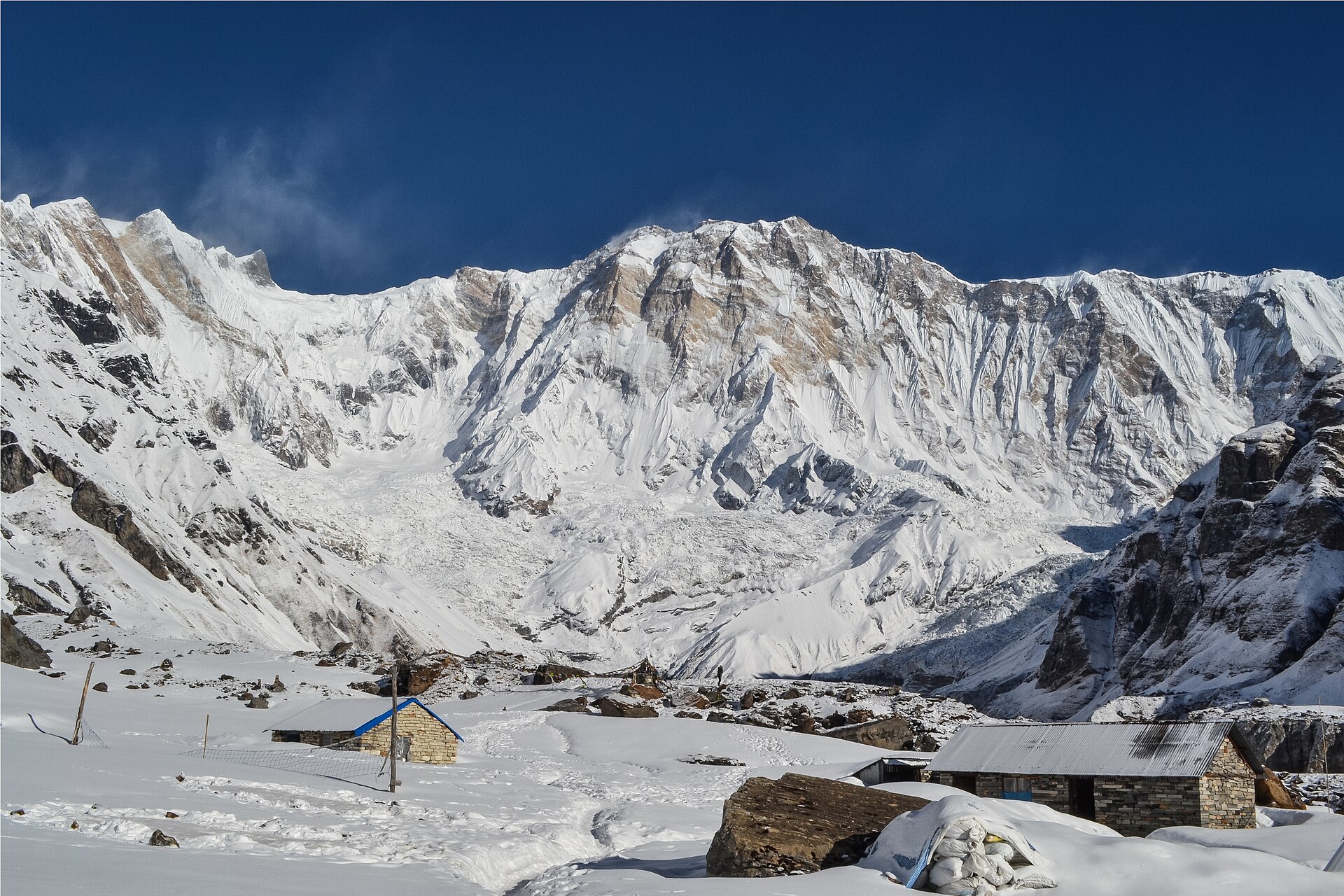
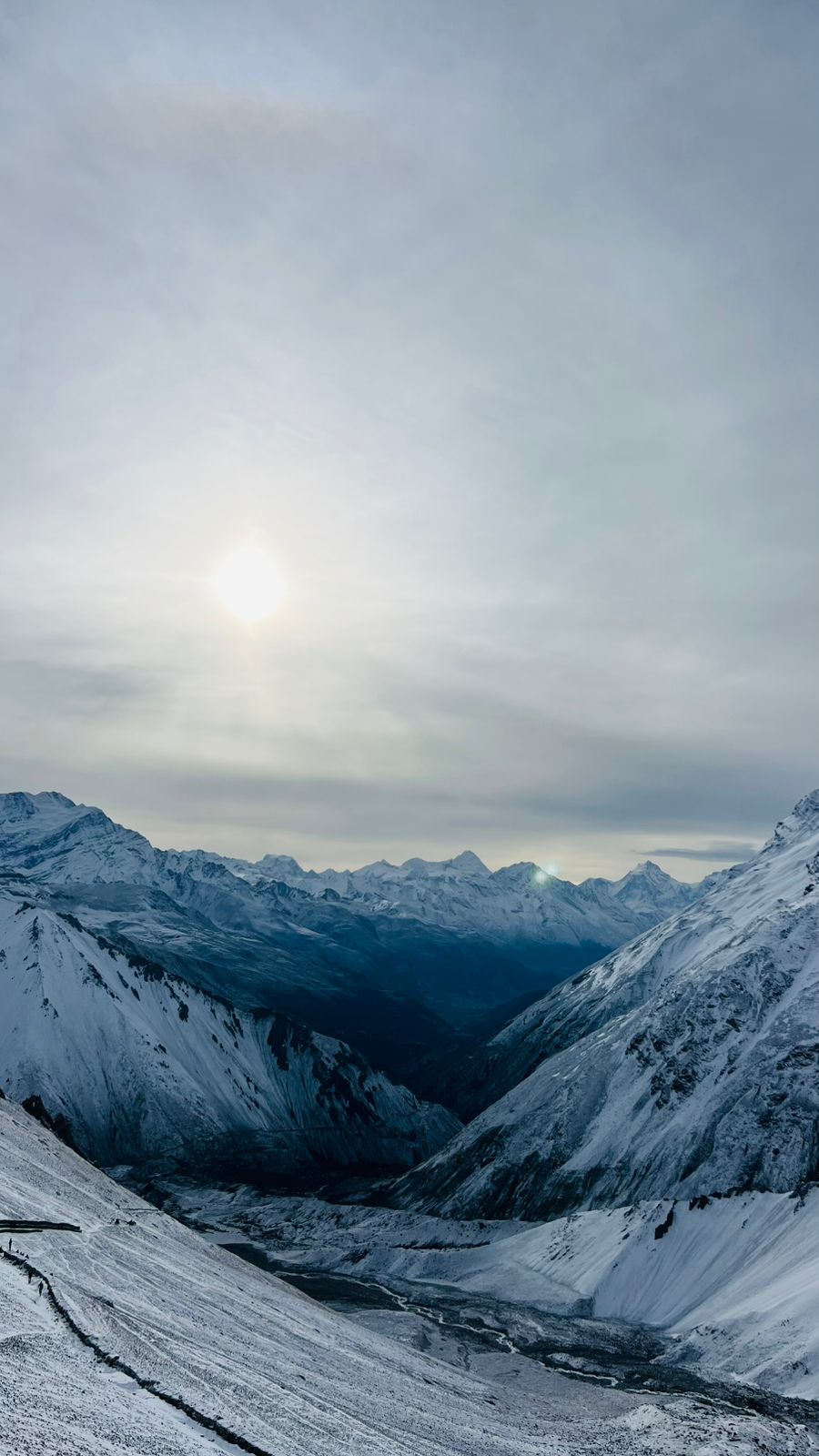
The Annapurna Base Camp Trek is one of Nepal’s most rewarding Himalayan adventures, combining spectacular mountain scenery, rich local culture, and diverse landscapes in a single journey. The trail passes through traditional Gurung villages, lush rhododendron forests, terraced farmland, and alpine terrain before reaching Annapurna Base Camp at 4,130 meters. Located within the Annapurna Conservation Area, the trek offers unforgettable views of Annapurna, Annapurna South, Hiunchuli, and the iconic Machapuchare (Fishtail Mountain). With its combination of breathtaking scenery, cultural encounters, and accessible trekking routes, the Annapurna Base Camp Trek is an excellent choice for travelers seeking an authentic Himalayan trekking experience in Nepal.
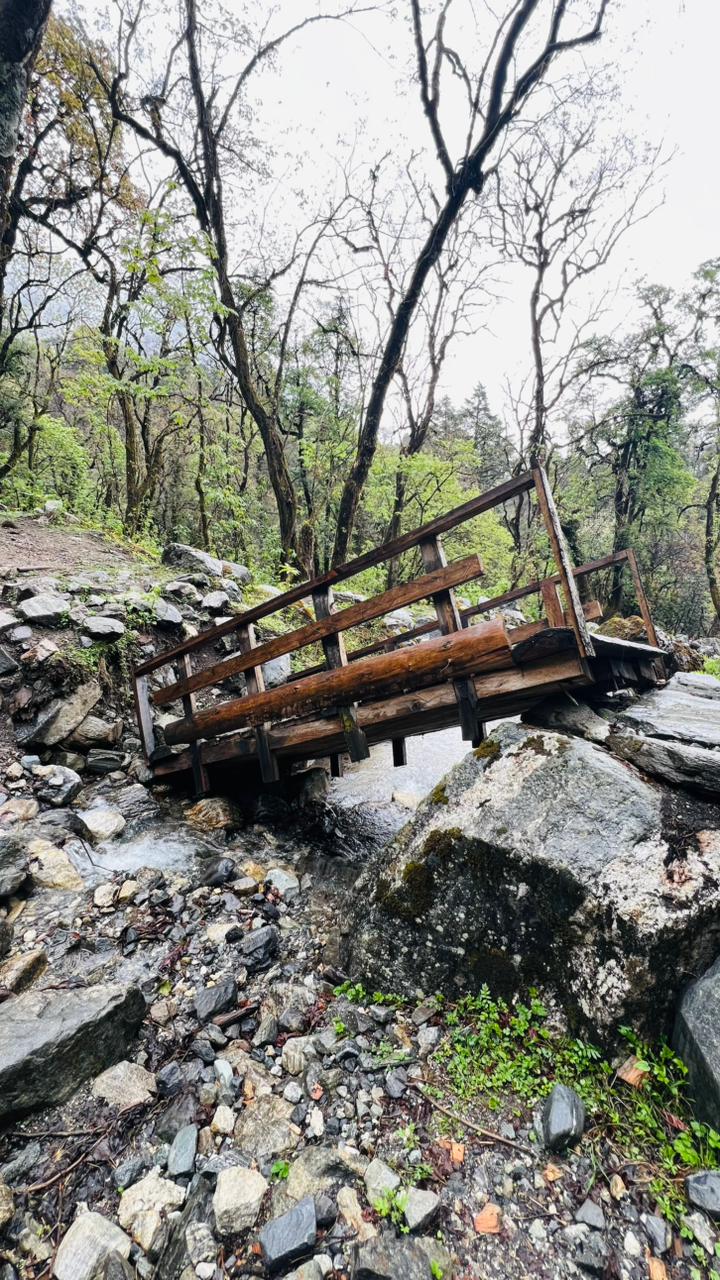
Major attractions of the trek include the traditional Gurung village of Ghandruk, the scenic settlement of Chhomrong, the lush rhododendron forests, Machhapuchhre Base Camp, and the stunning Annapurna Base Camp itself. Many itineraries also include Poon Hill (3,210 m), a famous viewpoint known for its sunrise views over the Annapurna and Dhaulagiri ranges.The Annapurna Conservation Area contains rich biodiversity and varied vegetation. Lower elevations feature subtropical forests, terraced farms, bamboo groves, and rhododendron woodlands, while higher elevations consist of alpine meadows and rugged mountain terrain. Local people depend on farming, livestock rearing, tourism, and trade for their livelihoods.Mules and pack animals are commonly used to transport supplies along the lower trails, while yaks and crossbreeds are found in higher alpine areas. The conservation area is also home to remarkable wildlife, including the Himalayan Thar, Musk Deer, Himalayan Monal, Langur monkeys, Himalayan Black Bear, and the elusive Snow Leopard.
In conclusion, the Annapurna Base Camp Trek is more than a mountain journey. It is an unforgettable experience through the natural beauty, cultural diversity, traditional lifestyles, rich vegetation, and wildlife of the Himalayas, culminating in the spectacular Annapurna Sanctuary beneath some of the world’s highest peaks.
Tap a day to expand the details.
Your journey begins with a scenic drive from Kathmandu to Pokhara along winding highways that follow the Trishuli and Marsyangdi rivers through river valleys, terraced hills, small towns and rural settlements of central Nepal. As you travel west the landscape shifts from busy urban surroundings to peaceful countryside with green hills and distant Himalayan foothills. Pokhara is Nepal’s lakeside city, known for its calm atmosphere, Phewa Lake and the reflection of Machhapuchhre on clear mornings. The evening is free to relax by the water and prepare for the trek ahead.
A jeep takes you up the Modi Khola valley on a rough road through Nayapul and Siwai to the roadhead near Jhinu Danda, saving two days of walking on the lower trail. From there the trek begins with a climb through terraced fields and bamboo to Chhomrong, the large Gurung village that guards the entrance to the Annapurna Sanctuary. Its stone staircases and slate-roofed houses look straight across at Annapurna South and Hiunchuli, and the hot springs below Jhinu are worth knowing about for the way back. Overnight in Chhomrong.
A demanding day that takes you into the sanctuary itself. The trail drops on a long stone staircase to the Chhomrong Khola, crosses the river and climbs steeply to Sinuwa, then runs through bamboo and rhododendron forest to Bamboo and Dovan. The gorge narrows as you gain height, with waterfalls coming down the walls and the vegetation thinning to scrub. Past the Hinku Cave the trail opens out at Deurali, a handful of lodges at 3,230m where the valley turns and the first close views of the sanctuary peaks appear.
The shortest walking day and the one everyone remembers. The trail climbs the glacial valley beside the Modi Khola, with avalanche slopes on either side and the vegetation reduced to grass and moss. Machhapuchhre Base Camp comes first, standing directly beneath the fishtail summit, then the final gentle climb brings you into the Annapurna Sanctuary, a natural amphitheatre ringed by Annapurna I, Annapurna South, Hiunchuli, Gangapurna and Machhapuchhre. Afternoons often cloud over, so the sunset and the dawn here are what you have come for.
Sunrise at base camp turns the whole wall of peaks gold, and after breakfast you begin the long descent back down the valley. The trail retraces the route past Machhapuchhre Base Camp and Deurali, then drops steeply beside the Modi Khola through the gorge where the walls close in and waterfalls come down the rock face. Below Bamboo the forest thickens again with bamboo groves and rhododendron, and the air warms noticeably. Sinuwa sits on a terrace above the river with a last clear view back towards Annapurna South.
A shorter day, mostly downhill through forest and farmland. The trail drops through Chhomrong on its long stone staircase, crosses the Chhomrong Khola and climbs briefly before descending through terraced fields to Jhinu Danda. The reward here is the natural hot springs, a twenty-minute walk below the village on the bank of the Modi Khola, where stone pools sit right beside the water. A long soak is the traditional end to the Annapurna Sanctuary trek, and the evening in the lodges is a relaxed one.
An easy final morning. A jeep collects you at the roadhead below Jhinu Danda for the drive down the Modi Khola valley, rough at first and then smoother once you reach the highway at Nayapul. You arrive in Pokhara by early afternoon, in time for a hot shower and a meal by Phewa Lake, with the Annapurnas you have just walked among standing on the skyline across the water. The rest of the day is free, or you can continue by road or air to Kathmandu if your schedule takes you straight on.
Altitude sickness can occur when your body struggles to adjust to high elevations and lower oxygen levels. During the Annapurna Base Camp Trek, you may experience symptoms such as headache, dizziness, nausea, tiredness, or difficulty sleeping. Stay hydrated, ascend gradually, and inform your guide immediately if you feel unwell. Planning your Annapurna Base Camp adventure with an experienced local trekking company can make your journey more organized and enjoyable. If you are looking for a trusted trekking company in Nepal, our team at Mountain Mate Trek is available to help you plan and experience your Himalayan adventure at www.mountainmatetrek.com

1 review
Log in to share your experience of this trek.
Jessica Bennett
The price we booked at was the price we paid — no surprises anywhere along the way.