5 Groups Available
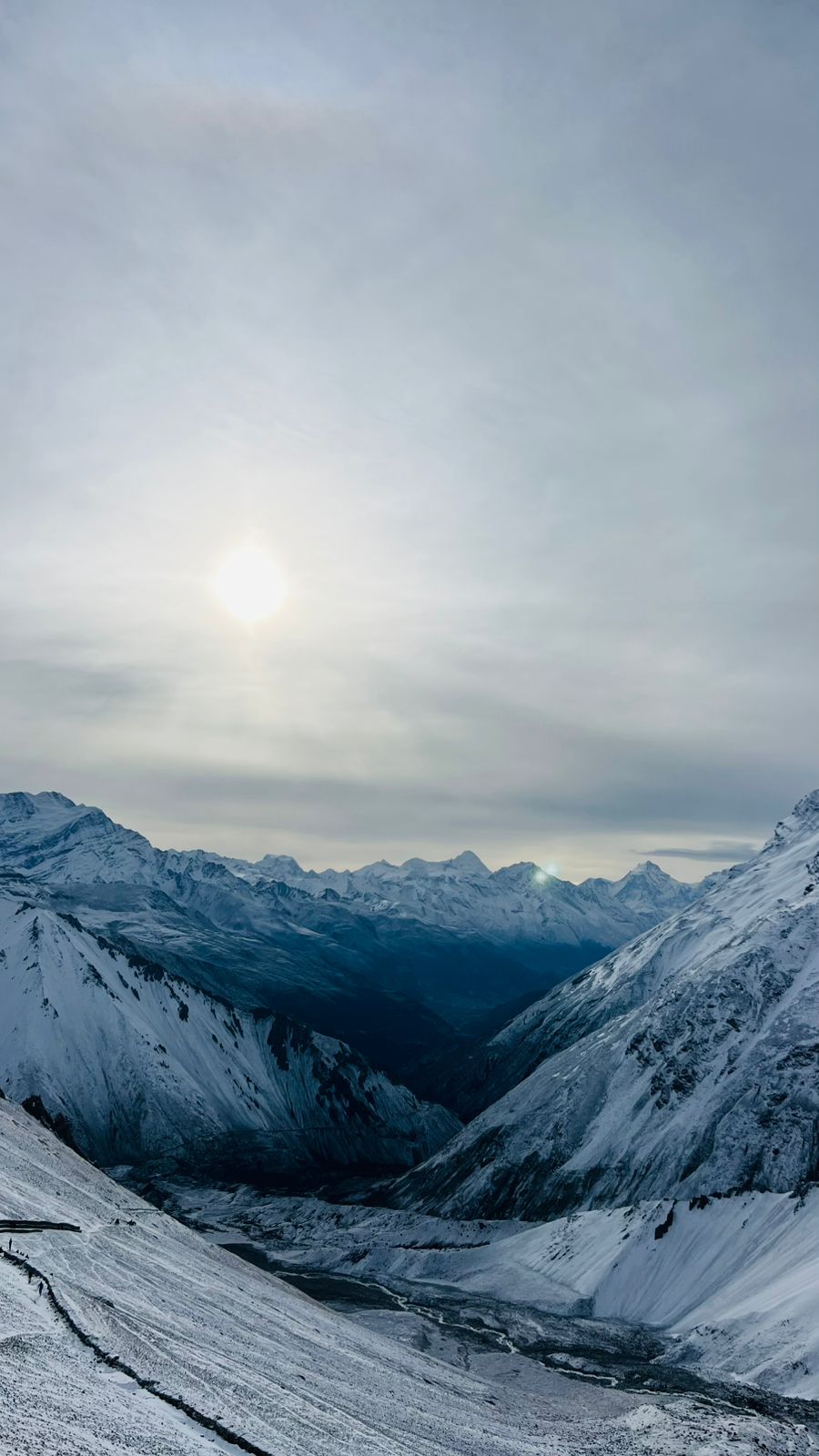
The Poon Hill Trek is one of the most scenic and accessible journeys in Nepal’s Annapurna region, situated within the renowned Annapurna Conservation Area, which protects a rich variety of landscapes, flora, and fauna. Typically covering about 40–50 kilometers over four to five days, the trek begins from Nayapul or nearby trailheads and ascends through picturesque villages to Poon Hill (3,210 m), while the route’s settlements range from approximately 1,070 m at Nayapul to over 3,200 m at the viewpoint. The highlight of the trek is the spectacular sunrise panorama over some of the Himalayas’ most iconic peaks, including Annapurna South (7,219 m), Annapurna I (8,091 m), Machhapuchhre (6,993 m), Hiunchuli (6,441 m), and Dhaulagiri (8,167 m). Major attractions along the route include Ghorepani, Tikhedhunga, Ulleri, Ghandruk, and the famous Poon Hill viewpoint, where golden morning light illuminates snow-capped mountains and creates one of Nepal’s most celebrated trekking experiences.
Beyond its mountain scenery, the Poon Hill Trek offers an immersive introduction to the culture and daily life of the Himalayan foothills. The trail passes through villages inhabited mainly by Gurung and Magar communities, whose traditions reflect a harmonious blend of Buddhist and Hindu religious practices, visible in monasteries, prayer flags, temples, and local festivals. Dense forests of rhododendron, oak, pine, and bamboo blanket the hillsides, especially vibrant during the spring flowering season. Local people depend on farming, livestock, and tourism, while mules and pack animals are commonly used to transport supplies along the mountain trails; yaks are less common at these lower elevations but can occasionally be seen in higher settlements nearby. The conservation area supports diverse wildlife, including Himalayan langurs, barking deer, Himalayan tahr, pheasants, and numerous bird species, creating a lively natural environment. Together, its magnificent Himalayan views, cultural richness, colorful vegetation, and thriving mountain life make the Poon Hill Trek a memorable and rewarding adventure in the heart of the Annapurna Himalaya.
Tap a day to expand the details.
Your journey begins with a scenic drive from Kathmandu to Pokhara along winding highways that follow the Trishuli and Marsyangdi rivers through river valleys, terraced hills, small towns and rural settlements of central Nepal. As you travel west the landscape gradually shifts from busy urban surroundings to peaceful countryside with green hills and distant Himalayan foothills. Pokhara is Nepal’s lakeside city, known for its calm atmosphere, Phewa Lake and the reflection of Machhapuchhre on clear days. The evening is free to relax by the lake and prepare for the trek ahead.
A short drive west of Pokhara brings you to Nayapul, the gateway to the Annapurna region, where the trek officially begins. The trail follows the Modi Khola through Birethanti, a pleasant village of teahouses and small shops beside the river, then works its way up through farmland and scattered settlements to Tikhedhunga. From there comes the day’s real work: the stone staircase to Ulleri, some 3,300 steps climbing steeply up the hillside. Ulleri is a Magar village set on a terrace at 2,050m, with Annapurna South and Hiunchuli visible above the rooftops.
A shorter and gentler day that gives your legs a chance to recover. The trail climbs steadily out of Ulleri into thick rhododendron and oak forest, mossy and cool, with small streams crossing the path and birdsong through the canopy. In spring the rhododendrons are in full bloom here and the whole hillside turns red and pink. You pass through Banthanti and Nangethanti, both good stops for tea, before the forest opens out at Ghorepani, a ridge-top village of blue-roofed lodges at 2,860m with views west towards Dhaulagiri.
An early start in the dark for the hour’s climb to Poon Hill, the most famous sunrise viewpoint in Nepal. From the tower at 3,210m the light comes up across Dhaulagiri, Annapurna South, Annapurna I, Hiunchuli and the fishtail summit of Machhapuchhre in turn. After breakfast back at Ghorepani, the trail follows the ridge through forest to Deurali, then descends steeply through Banthanti and Tadapani into the valley. Ghandruk is a large, well-kept Gurung village of slate-roofed stone houses, with a small museum and outstanding mountain views.
The last morning is an easy one, descending through terraced fields and Gurung settlements on a stone-paved trail to the river at Birethanti, then following it a short way to the roadhead at Nayapul. From there you drive back to Pokhara, with time for lunch by the lake before continuing to Kathmandu, either by road along the Prithvi Highway or on the short mountain flight if your schedule is tight. Back in Kathmandu you are transferred to your hotel, with the evening free for shopping in Thamel or preparing for your onward plans.
Altitude sickness can occur when your body struggles to adjust to high elevations and lower oxygen levels. During the Annapurna Base Camp Trek, you may experience symptoms such as headache, dizziness, nausea, tiredness, or difficulty sleeping. Stay hydrated, ascend gradually, and inform your guide immediately if you feel unwell. Planning your Annapurna Base Camp adventure with an experienced local trekking company can make your journey more organized and enjoyable. If you are looking for a trusted trekking company in Nepal, our team at Mountain Mate Trek is available to help you plan and experience your Himalayan adventure at www.mountainmatetrek.com

1 review
Log in to share your experience of this trek.
Amy Chen
Perfect first trek in Nepal. Sunrise over Dhaulagiri was worth the early start.