6 Groups Available
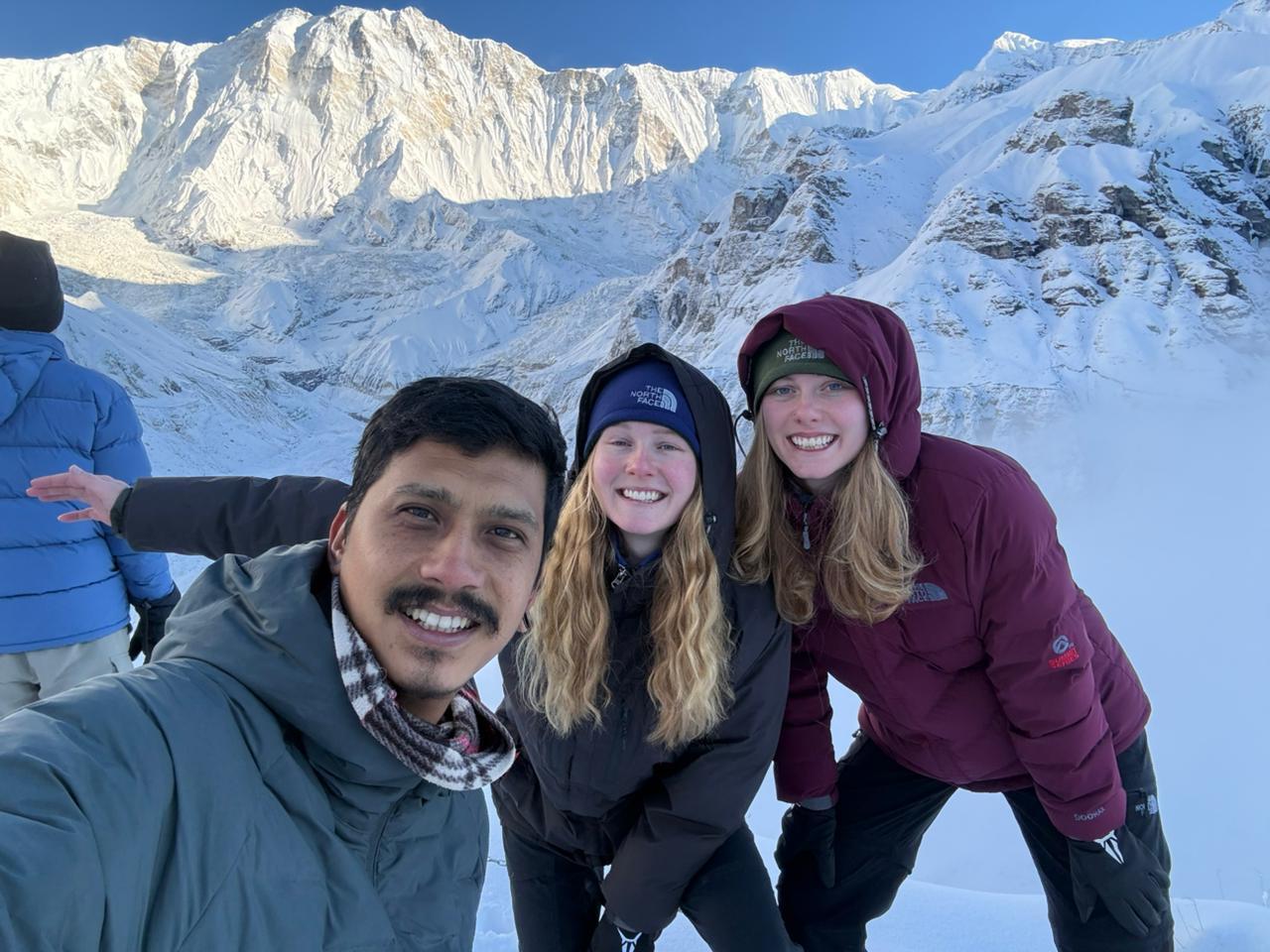
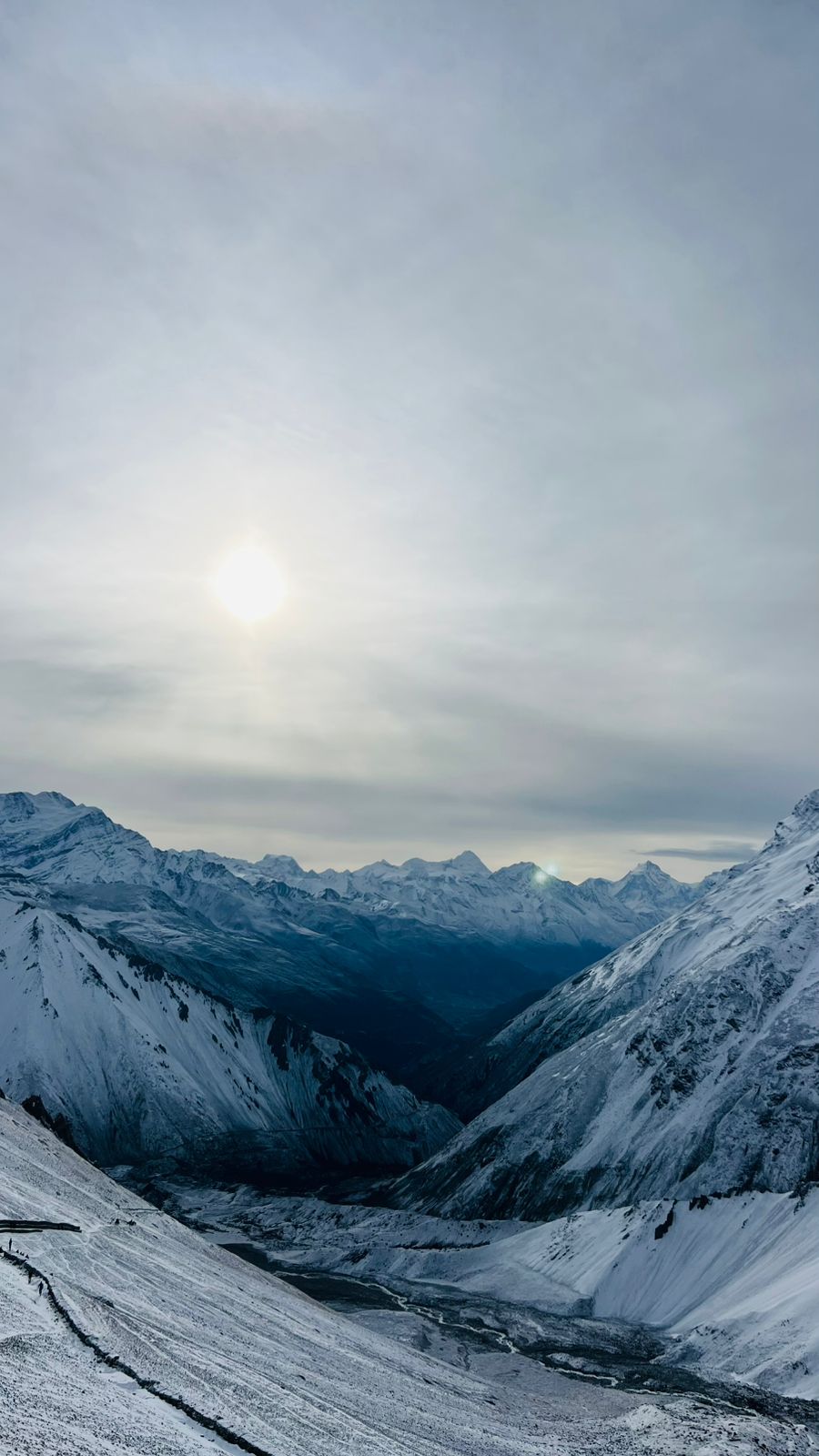
The Annapurna Circuit Trek is one of Nepal’s most celebrated Himalayan journeys, encircling the magnificent Annapurna region through the protected Annapurna Conservation Area, the country’s largest conservation zone. Depending on the starting and ending points, trekkers typically cover about 160–230 kilometers while gradually ascending from lush subtropical valleys to the high mountain desert surrounding Thorong La Pass (5,416 m), the trek’s highest point. Along the route, breathtaking peaks such as Annapurna I (8,091 m), Annapurna II, Annapurna III, Annapurna IV, Gangapurna, Machhapuchhre (Fishtail), Dhaulagiri (8,167 m), and Manaslu create a dramatic Himalayan panorama. Major places of attraction include Besisahar, Chame, Pisang, Manang, Yak Kharka, Thorong Phedi, Muktinath, Jomsom, and the deep gorge of the Kali Gandaki Valley, offering an extraordinary blend of mountain scenery, adventure, and natural beauty.
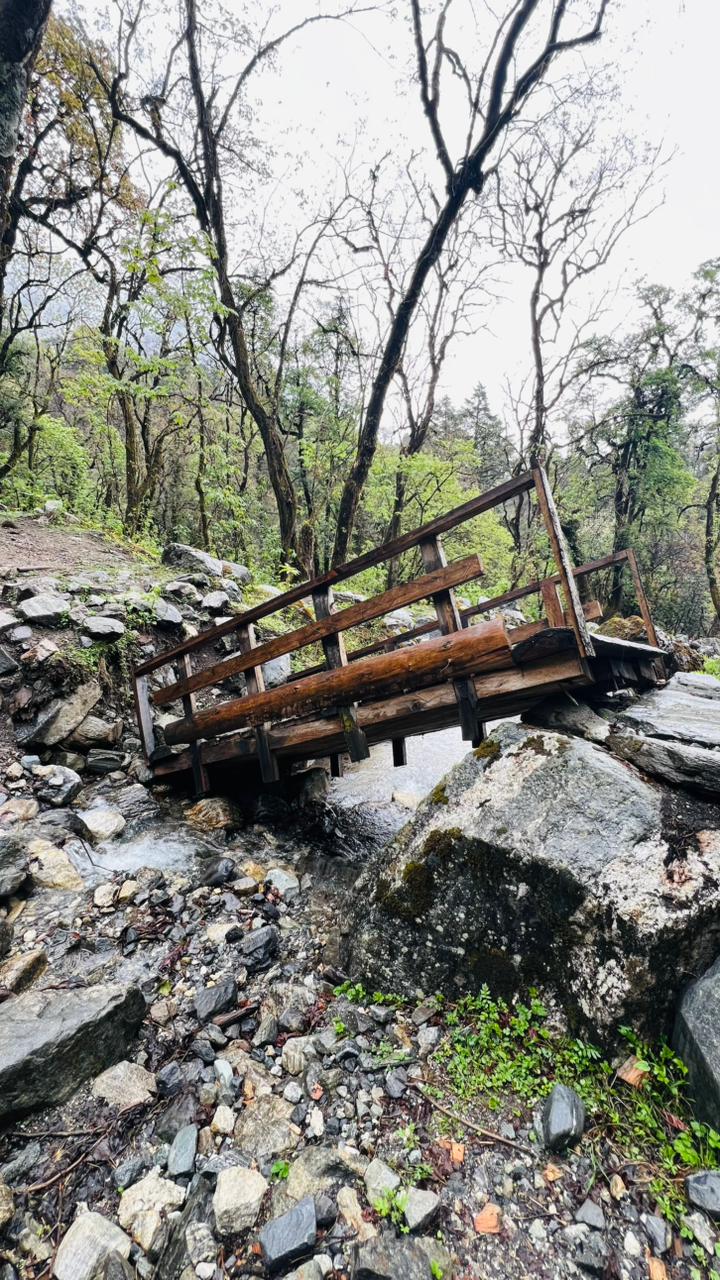
Beyond its landscapes, the Annapurna Circuit is renowned for its rich cultural and ecological diversity. The trail passes through settlements inhabited by Gurung, Magar, Thakali, and Manangi communities, whose traditions reflect a harmonious mix of Buddhist and Hindu religious practices. Ancient monasteries, prayer wheels, chortens, and the sacred temple of Muktinath highlight the spiritual significance of the region. Vegetation changes dramatically with elevation, ranging from terraced farmlands, rhododendron and pine forests, to alpine meadows and sparse high-altitude shrubs. Local livelihoods depend heavily on agriculture, tourism, and the use of yaks and mules, which transport goods along remote mountain trails. The conservation area also shelters diverse wildlife, including Himalayan tahr, blue sheep, musk deer, langurs, snow leopards, and numerous bird species. Together, the region’s natural wealth, cultural heritage, and resilient mountain life make the Annapurna Circuit an unforgettable trekking experience and a remarkable showcase of Nepal’s Himalayan environment.
Tap a day to expand the details.
Transfer from the trailhead and begin walking into the Annapurna region, settling into the first overnight stop.
A full trekking day through changing scenery, with stops in local villages along the way.
A full trekking day through changing scenery, with stops in local villages along the way.
A short excursion nearby to aid acclimatization, followed by an easy afternoon at altitude.
A full trekking day through changing scenery, with stops in local villages along the way.
A full trekking day through changing scenery, with stops in local villages along the way.
A full trekking day through changing scenery, with stops in local villages along the way.
A short excursion nearby to aid acclimatization, followed by an easy afternoon at altitude.
A full trekking day through changing scenery, with stops in local villages along the way.
A full trekking day through changing scenery, with stops in local villages along the way.
A full trekking day through changing scenery, with stops in local villages along the way.
A short excursion nearby to aid acclimatization, followed by an easy afternoon at altitude.
A full trekking day through changing scenery, with stops in local villages along the way.
A full trekking day through changing scenery, with stops in local villages along the way.
A full trekking day through changing scenery, with stops in local villages along the way.
A short excursion nearby to aid acclimatization, followed by an easy afternoon at altitude.
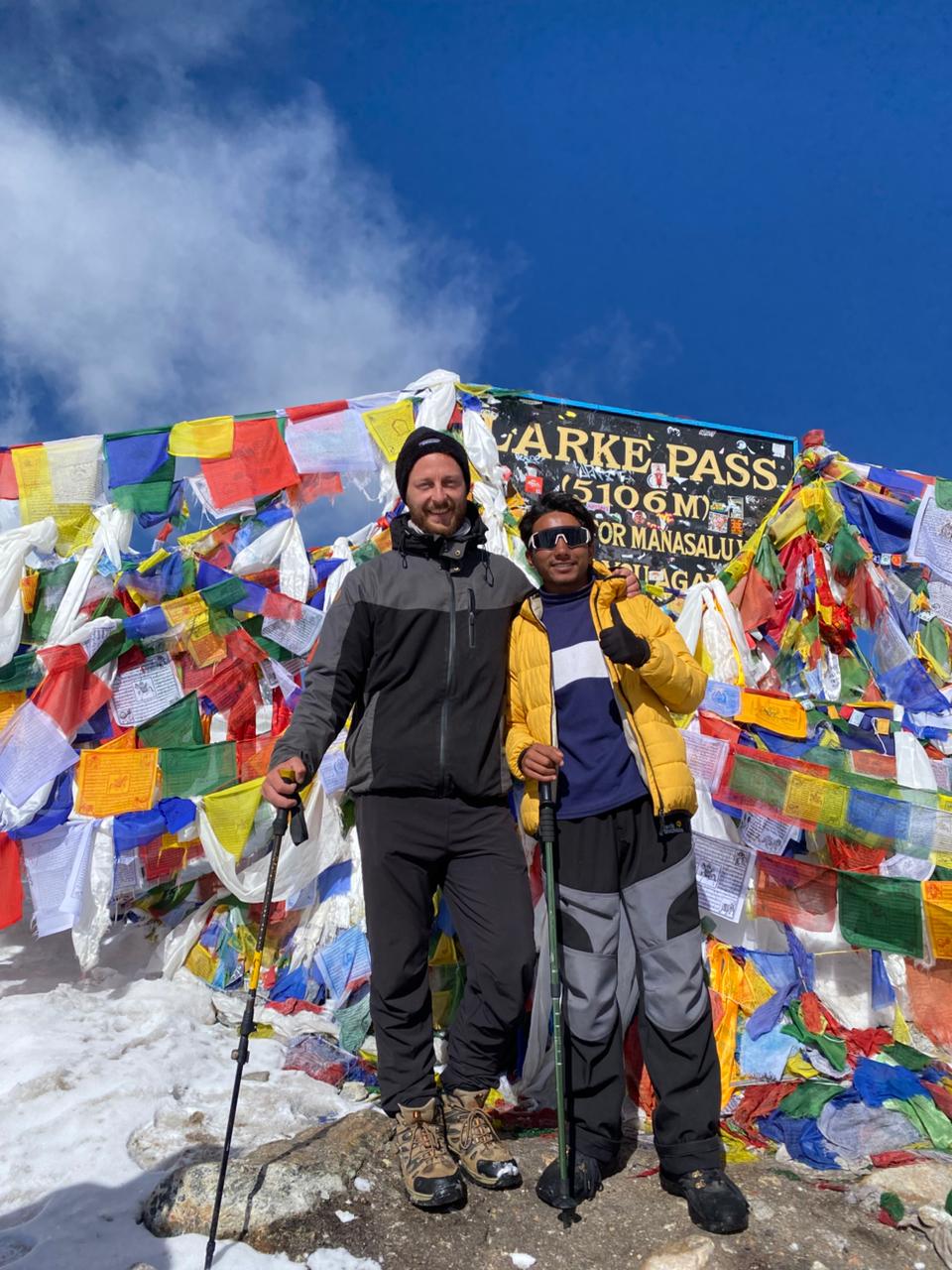
The main scenic highlight of the Annapurna Circuit, reached after an early start.
Final travel day back to the start point, with time to rest before your onward journey.
Altitude sickness can occur when your body struggles to adjust to high elevations and lower oxygen levels. During the Annapurna Base Camp Trek, you may experience symptoms such as headache, dizziness, nausea, tiredness, or difficulty sleeping. Stay hydrated, ascend gradually, and inform your guide immediately if you feel unwell. Planning your Annapurna Base Camp adventure with an experienced local trekking company can make your journey more organized and enjoyable. If you are looking for a trusted trekking company in Nepal, our team at Mountain Mate Trek is available to help you plan and experience your Himalayan adventure at www.mountainmatetrek.com

1 review
Log in to share your experience of this trek.
Chris Whelan
Thorong La in perfect weather. Excellent porters and the permits were all handled for us.