4 Groups Available
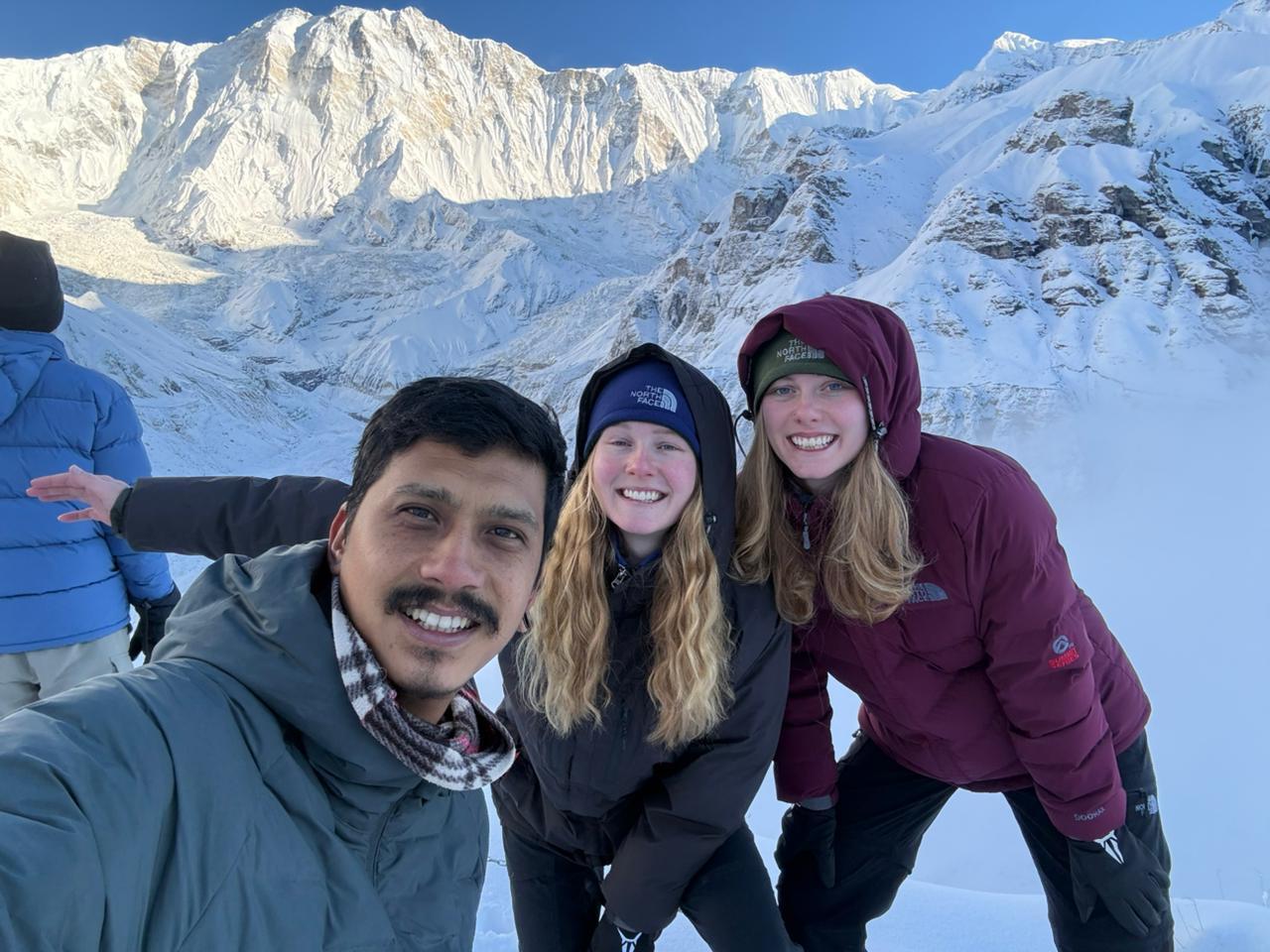
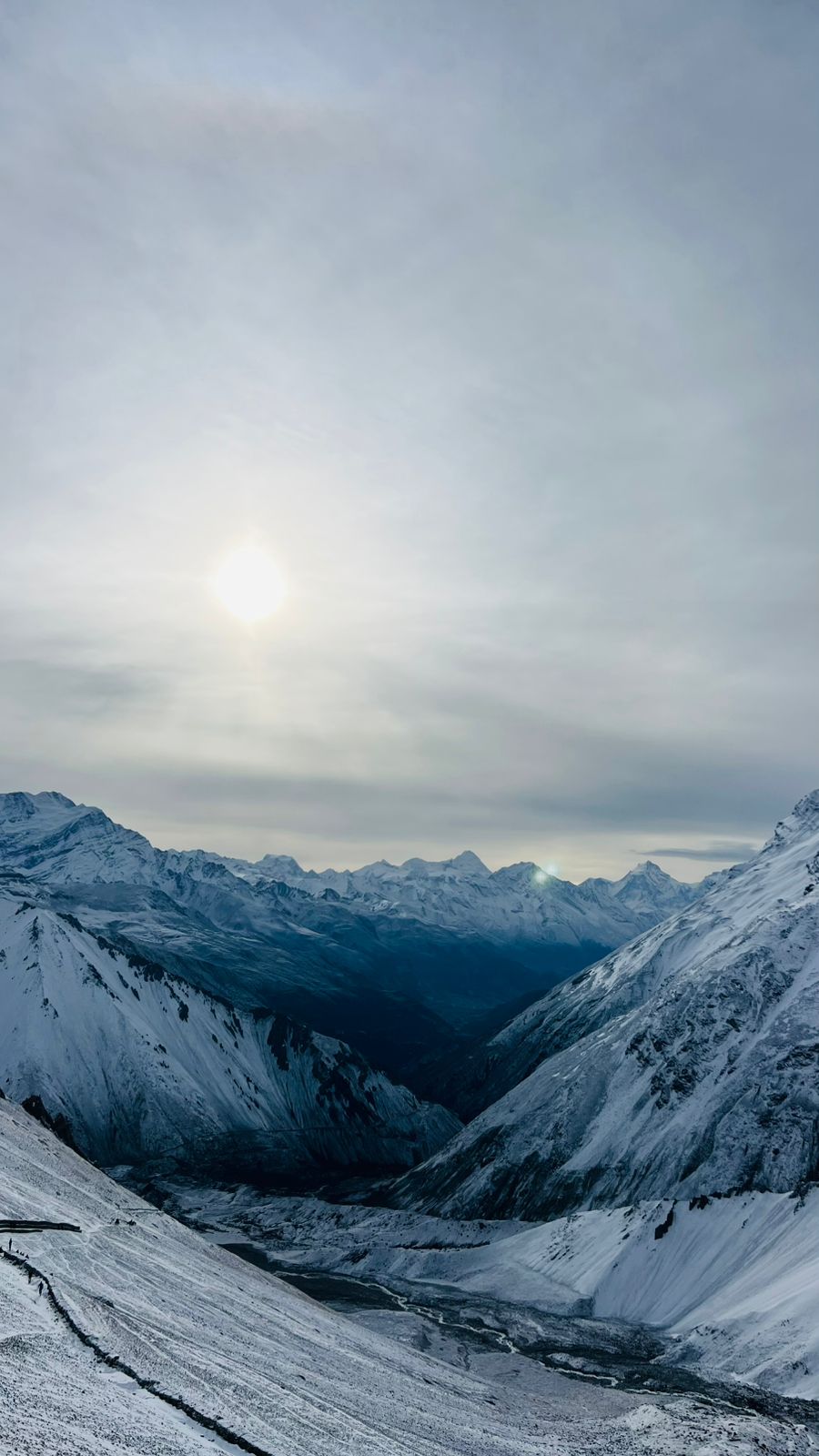
The Mardi Himal Trek is a spectacular short Himalayan adventure near Pokhara, offering peaceful trails, traditional villages, lush forests, and breathtaking mountain scenery. Known as one of Nepal’s rewarding off-the-beaten-path treks, the route takes trekkers through beautiful Gurung and Magar villages, dense rhododendron and oak forests, and scenic alpine ridges before reaching Mardi Himal Base Camp at around 4,500 meters. The trail provides exceptional views of Machhapuchhre (Fishtail Mountain), Mardi Himal, Annapurna South, Hiunchuli, and the Dhaulagiri range. With comfortable teahouses, welcoming local communities, and relatively quiet mountain trails, the Mardi Himal Trek is an excellent choice for beginners, photographers, nature lovers, and travelers seeking an authentic Himalayan experience close to Pokhara.
Tap a day to expand the details.
Your journey begins with a scenic drive from Kathmandu to Pokhara along winding highways that follow the Trishuli and Marsyangdi rivers through river valleys, terraced hills, small towns and rural settlements of central Nepal. As you travel west the landscape shifts from busy urban surroundings to peaceful countryside with green hills and distant Himalayan foothills. Pokhara is Nepal’s lakeside city, known for its calm atmosphere, Phewa Lake and the reflection of Machhapuchhre on clear mornings. The evening is free to relax by the water and prepare for the trek ahead.
A short drive out of Pokhara climbs the ridge road to Dhampus, a Gurung village strung along a terraced hillside with a clear outlook to Annapurna South and Machhapuchhre. Walking begins here on a stone-paved trail through farmland, then enters the forest that gives the next camp its name. The path climbs steadily all afternoon under oak, rhododendron and moss-draped trees, with occasional clearings opening north towards the mountains. Forest Camp, also called Kokar, is a small cluster of lodges in a break in the trees at 2,520m, quiet apart from birdsong.
The trail continues up the forested ridge, climbing through rhododendron that flowers red and pink through the spring, with the canopy thinning as you gain height. Low Camp appears first at around 3,050m, a good stop for tea, and from there the forest gives way to open hillside and the views break out properly: Machhapuchhre directly ahead, Annapurna South and Hiunchuli to the west, and the valley falling away behind. The final stretch to High Camp is exposed and windswept, with the lodges sitting on a narrow shelf at 3,580m beneath the Mardi ridge.
An early start for the climb towards Mardi Himal Base Camp, the highlight of the trek. The trail follows a narrow ridge of grass and loose rock with steep ground on both sides, gaining height slowly as the sun comes up on Machhapuchhre’s fluted face. From the base camp at 4,500m the whole Annapurna sanctuary wall stands in front of you, close enough to pick out individual glaciers and hanging ice. After time at the top you retrace the ridge, pass High Camp and descend into the trees again to Low Camp for a warmer and much easier night.
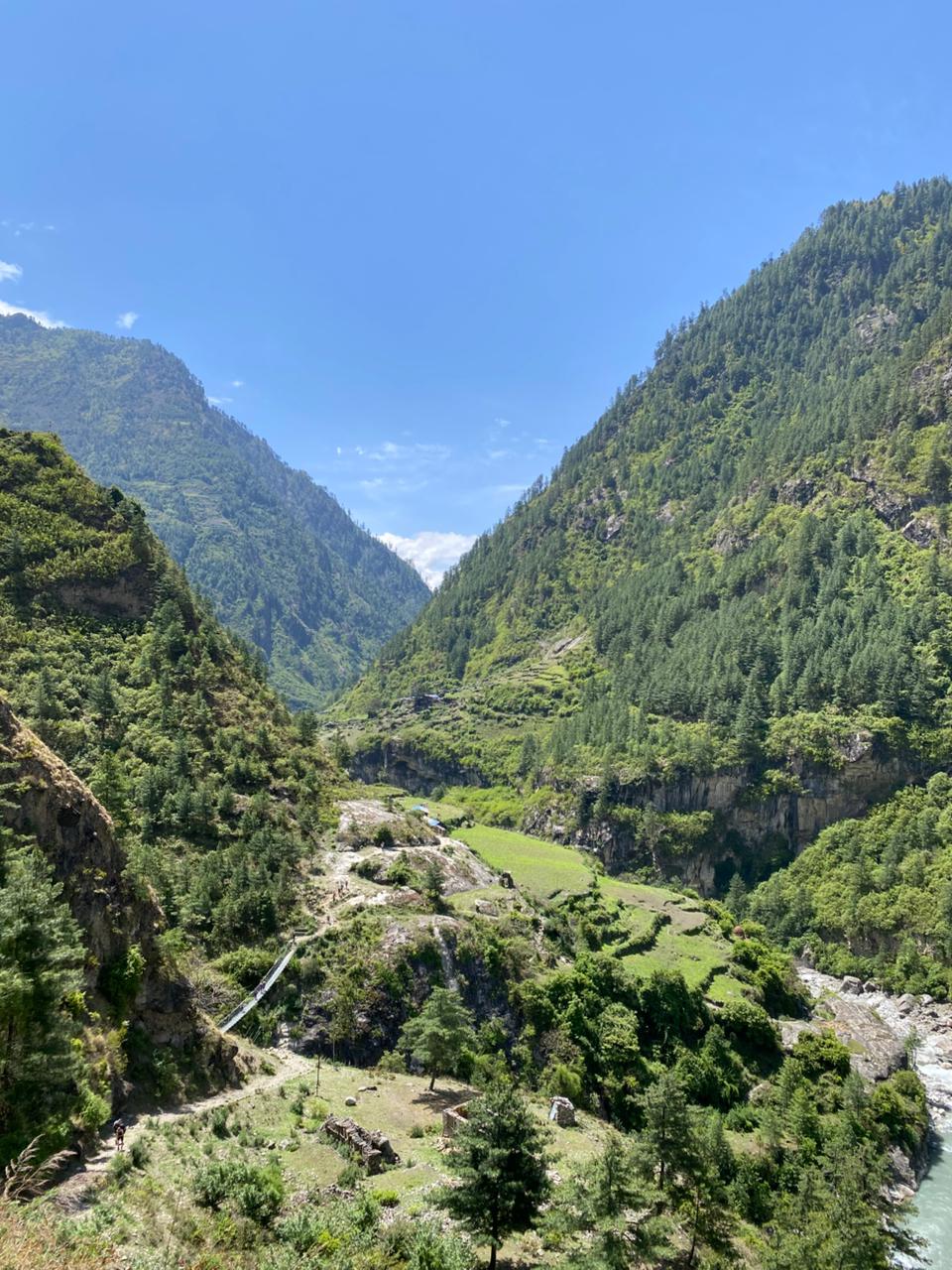
A long descending day on a different trail, dropping through rhododendron and oak forest and then out onto farmland and terraced fields. The path passes through Badal Danda and the villages below it, with views back to Machhapuchhre whenever the trees open, and the air warming steadily as you lose height. By early afternoon you reach the roadhead at Dhampus Phedi, where a vehicle is waiting for the short drive into Pokhara. You arrive at the lakeside in time for a hot shower and a proper meal, with the mountains you have just walked among across the water.
The last day of your journey, leaving the Annapurna ranges and Pokhara behind. The drive back to Kathmandu follows the Prithvi Highway east along the Trishuli River, through roadside towns, terraced hills and rural settlements of central Nepal, with stops for tea and lunch along the way. The short mountain flight is a quicker alternative if your schedule is tight. On arrival you are transferred to your hotel, with the rest of the day free for last-minute shopping in Thamel, preparations for returning home, or your next plans in Nepal.
Altitude sickness can occur when your body struggles to adjust to high elevations and lower oxygen levels. During the Annapurna Base Camp Trek, you may experience symptoms such as headache, dizziness, nausea, tiredness, or difficulty sleeping. Stay hydrated, ascend gradually, and inform your guide immediately if you feel unwell. Planning your Annapurna Base Camp adventure with an experienced local trekking company can make your journey more organized and enjoyable. If you are looking for a trusted trekking company in Nepal, our team at Mountain Mate Trek is available to help you plan and experience your Himalayan adventure at www.mountainmatetrek.com

No reviews of this trek yet — if you have trekked it, yours would be the first.
Log in to share your experience of this trek.