2 Groups Available
Nar Phu Valley trek remains an extraordinary blend of remote Himalayan wilderness, preserved Tibetan Buddhist culture, and alpine biodiversity—a destination offering a rare glimpse into Nepal’s hidden highland heritage.
Nar Phu Valley, located in northern Manang within Nepal’s Annapurna region, has remained largely inaccessible and undiscovered for centuries, preserving an authentic Tibetan-influenced highland culture. The valley's inhabitants trace their origins to Khampa warriors and Tibetan settlers who fled political upheavals in Tibet. Their enduring legacy includes centuries-old monasteries like Tashi Lhakhang in Phu and multiple gompas in Nar, fortresses, mani walls, and traditional ultramaritime Tibetan Buddhist practices. Isolation safeguarded the valley's heritage, maintaining practices, Bon-Buddhist syncretism, and community rituals largely untouched until its controlled opening to trekkers in the early 2000s.
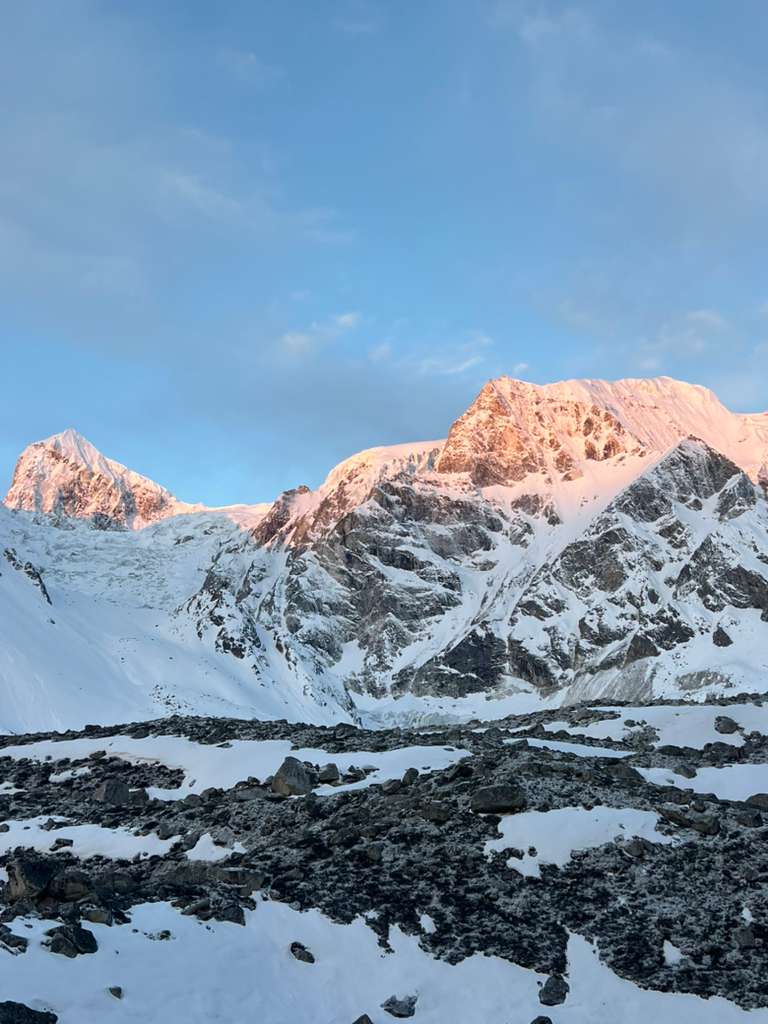
Nestled between the Annapurna and Manaslu ranges, the Nar Phu Valley spans elevations of roughly 3,000 m to 7,140 m, encompassing rugged cliffs, narrow gorges, high plateaus, glaciers, and barren yet striking landscapes reminiscent of Upper Mustang. Iconic peaks visible from the valley include Kang Guru, Pisang Peak, Himlung Himal, Nemjung, Gangapurna, and Annapurna II. Its diverse high-altitude environment transitions from pine and rhododendron forests in lower reaches to arid alpine zones, presenting dramatic vistas, turquoise glacial rivers, and flourishing spring alpine flora such as blue poppies, gentians, primulas, rhododendrons, and edelweiss.
The valley’s high-altitude pastures support the collection of Yarsagumba, often referred to as the "Himalayan mountain pea," a parasitic fungus valued for its use in traditional Tibetan medicine and as a high-altitude economic resource. Its seasonal harvesting contributes to local livelihoods alongside yak and barley farming.
Tap a day to expand the details.
Nar Phu Valley offers a pristine and culturally immersive trekking experience with challenging terrain and high-altitude risks, when your body struggles to adjust to high elevations and lower oxygen levels. During the Nar Phu valley Trek, you may experience symptoms such as headache, dizziness, nausea, tiredness, or difficulty sleeping. Stay hydrated, ascend gradually, and inform your guide immediately if you feel unwell. Planning your Annapurna Base Camp adventure with an experienced local trekking crew can make your journey more organized and enjoyable. If you are looking for a trusted trekking team in Nepal, our team at trekkingsnepal.com is available to help you plan and experience your Himalayan adventure. Success requires proper acclimatization, careful logistical planning, professional guidance, respect for local customs, and preparedness for unpredictable mountain conditions. This combination ensures safety, environmental responsibility, and an appreciation of the valley’s remote Himalayan beauty.

No reviews of this trek yet — if you have trekked it, yours would be the first.
Log in to share your experience of this trek.